
June Advocate Spotlight

Jennifer Lassahn
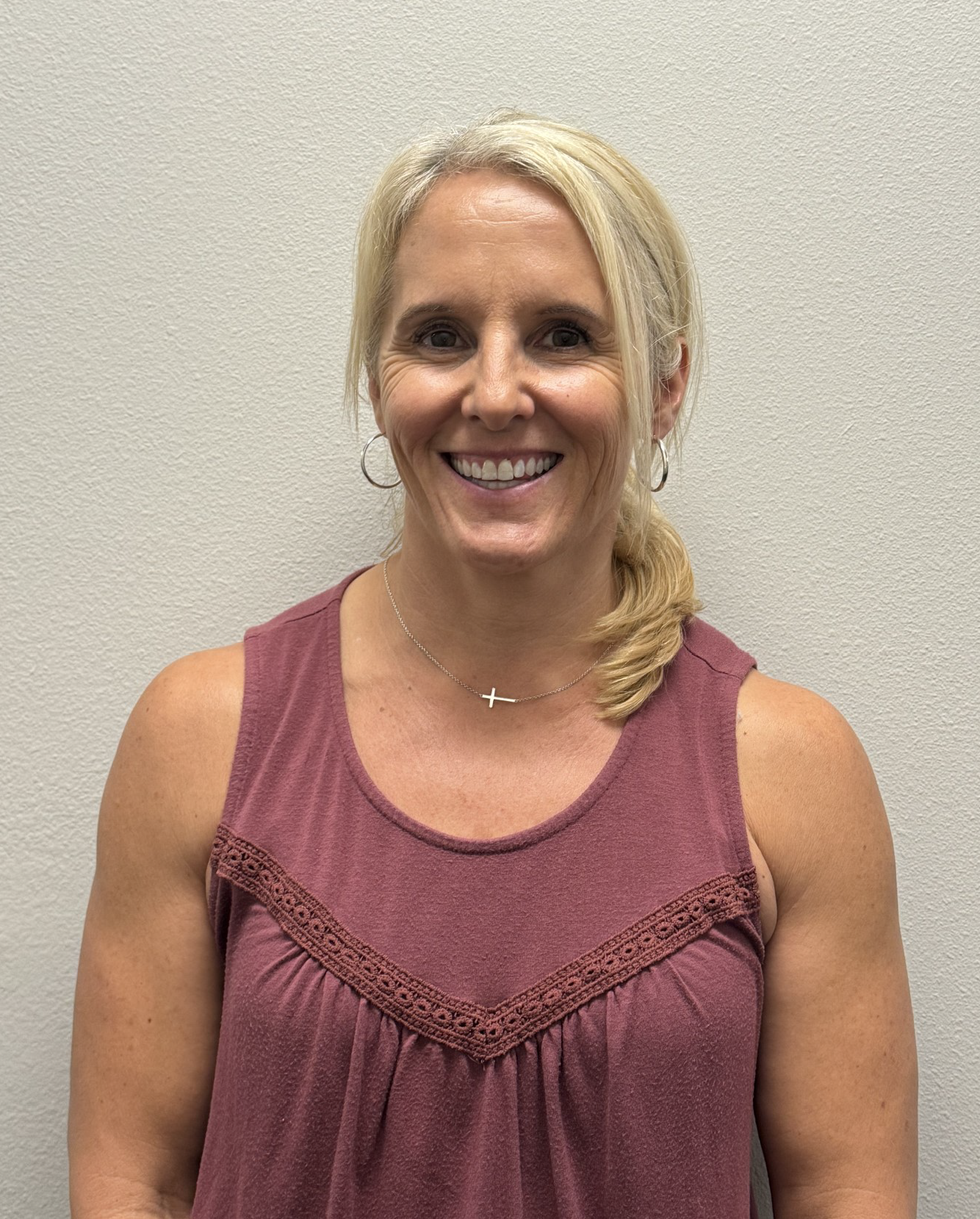
CASA Advocate: Jennifer Lassahn

1. How long have you been an Advocate and when did you realize you wanted to become one?

“I became an advocate in 2021 with CASA of the Coastal Bend, and then transitioned to the San Antonio CASA office in 2023. I had researched advocacy for a while, knowing that I wanted to get involved with CASA, and I also have several friends who are advocates in other states that I admire. Once my four children were a little older, and I found more time to focus on the process, I went through training.

My background has always involved working with children, and I felt very strongly about helping children who were less fortunate. I continue to be blessed daily with an amazing family and support system, and I wanted other children to know what that felt like, too. I also wanted my own children to understand that many children are suffering, but they may never know it or see it on the daily when they are at school with them. It was important to me that my own children see and learn the importance of giving back and paying it forward.”


2. What is the most rewarding aspect of being an advocate?

“The most rewarding aspect of being an advocate is being able to share with a child that I am always going to be there for them. I have seen cases that last longer than a year, and many times, the caseworker changes, or the foster parent changes, but I am able to be the one constant in their journey that provides some semblance of consistency and balance.” 


3. If you could offer some words of encouragement to your fellow and incoming Advocates, what would they be?

“The journey with each child is never easy, and it is never smooth, even during the times that you believe things are getting better in his/her life. There are ups and downs, with curves in the road when you least expect it. However, the ability to allow at least one child the opportunity to know what “showing up” looks like, is worth every bump in the road. For once, they have someone to hold onto when they are navigating the unexpected. Sticking with a child and patiently developing a relationship with them over time is what shows them that you are a constant in their life. It doesn’t have to be anything big or fancy, just be consistent, and they will see that they can count on you!“


June 8, 2026
Harrison came into care in January 2021 due to abuse and neglect in the home. The department attempted to implement a few safety plans but to no avail. Ultimately, the parents were unable and unwilling to provide him with a safe and stable home environment, and Harrison was placed into foster care. In June 2025, Staff Advocate, Michelle, was assigned to the case, and he was living with his aunt in Laredo, TX. From day one, Michelle has been dedicated to getting to know Harrison, establishing rapport, and building trust. She would take the time to listen to him and get to know his likes and interests. When she first met him, he was timid and shy but as he gained confidence and became more comfortable, he started to open up to Michelle. He started advocating for himself, asking for a new charger for his laptop to do his schoolwork and started to disclose more important topics such as sensitive issues he was facing with his family. In October 2025, while Michelle was heading to Laredo to visit Harrison, he called her to let her know that he was no longer allowed back into his aunt’s home. There was a placement breakdown happening due to a verbal/physical altercation with his aunt and other family members, and his aunt gave notice to the department that day. Upon arrival at Laredo, Michelle immediately called Harrison’s case worker and attorney to let them know what had just transpired. Due to Harrison being 18 and not officially in extended care, Michelle was met with some pushbacks; however, she persevered and asked what his options were, if any, and how we could help him. Harrison’s team worked together and was able to get the extended care paperwork drafted and completed and Michelle was able to brainstorm with Harrison to find him a temporary home with a close friend until his caseworker could bring him back to San Antonio. Michelle took Harrison to his aunt’s so he could pack his belongings and stay with his friend temporarily. Michelle was so thankful that she could be there for him in his time of need. A few days later, Harrison was back in San Antonio. Harrison is currently thriving in his Supervised Independent Living (SIL) placement and is on track to graduate high school in May. He has plans to attend college for Cosmetology. He has had a tremendous change in his overall mood and is coming into his own as a confident young adult. When asked by Michelle how he feels being at his current placement, his response was “safe” and that’s all Michelle needed to hear to know she was making a positive impact.
By bfines April 14, 2026
In April 2023, Child Protective Services received a referral reporting that two sisters, ages 15 and 16, were being held at the Bexar County Juvenile Detention Center following a family altercation. Mother informed the department that she did not have a place for the girls to be released, and they were subsequently placed in an emergency shelter. Mother was asked if she would attend the court hearing and stated that she would not. Although both sisters were released to Mother from the Bexar County Juvenile Detention Center, Mother refused to pick them up. There were no relatives or family friends willing to provide placement for the girls, and Mother stated that she wanted to voluntarily sign over her parental rights. Stephanie was assigned as the CASA Staff Advocate in May 2025. By this time, both sisters had experienced multiple placements. The older sister was 18 years old, enrolled in College Docket, and preparing to graduate from high school. The younger sister was 17 years old and residing at the Bexar County Juvenile Detention Center. Although the sisters were on different paths, they remained emotionally connected and struggled with maintaining contact due to their circumstances. CASA attended the older sister’s high school graduation and the graduation celebration that followed. CASA assisted her with completing all required paperwork and testing necessary for college enrollment. Additionally, CASA supported her in moving into her first apartment, helping her get settled and navigate the challenges of early adulthood. While the younger sister was residing at the Bexar County Juvenile Detention Center, CASA met with her shortly after assignment and introduced herself. The younger sister was later transferred to the Texas Juvenile Justice Department (TJJD). CASA continued to maintain contact despite challenges related to TJJD policies and procedures. CASA established a positive and consistent point of contact, worked to understand TJJD visitation processes, gathered relevant information, maintained communication with the youth, and actively worked to schedule sibling visitation. CASA has remained a consistent and reliable support system for the older sister as she transitions into adulthood. The youth frequently contacts CASA for guidance and assistance with everyday questions, and CASA continues to provide support. The older sister is currently passing all of her college courses, earning straight A’s, and is actively seeking employment. For the younger sister, CASA remains in close communication with TJJD case managers. CASA provides ongoing support through in-person visits every three months and monthly video calls. CASA is also gathering clothing, legal documentation, and preparing a comprehensive resource packet to support the younger sister upon her release. Through every challenge this case brings, Stephanie will stand beside these sisters, offering unwavering support and encouragement as they discover their strength and reach their full potential.
Show More