
February Advocate Spotlight

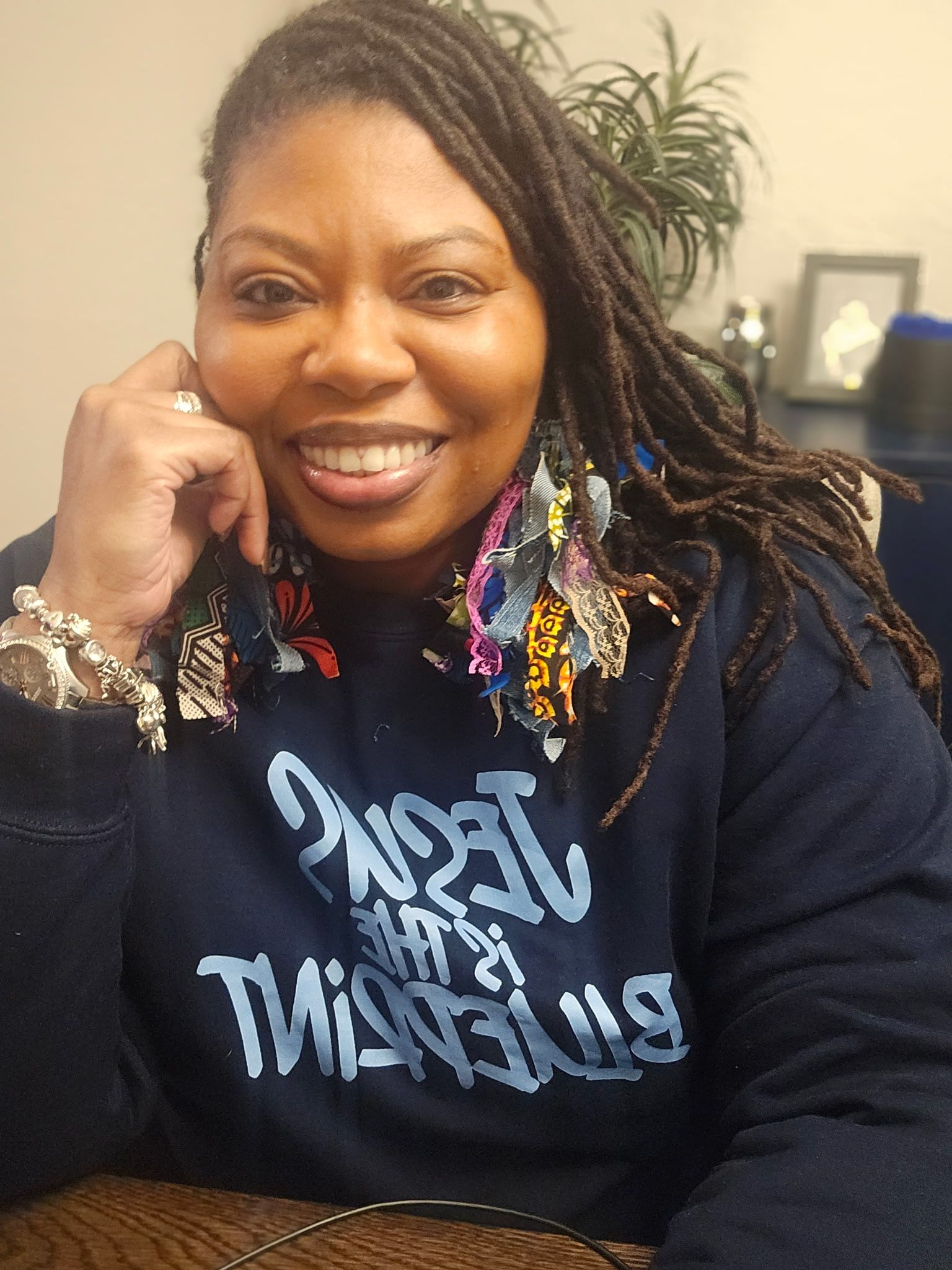
Maquisha Nunn 
Advocate: Deborah Hom

Maquisha Nunn has been a CASA Advocate for almost a year and half. On her first case she advocated for two children ages 10 and 11. The siblings were placed together in a foster home. After allegations were reported on the home the children were moved to two separate respite homes in Feb. 2025. Maquisha visited with the children right away to be a friendly face and ensure they were doing well. Shortly after her visit they were moved to different respite homes again. Although respite homes were an hour away from each other she ensured the children saw each other and arranged and conducted regular sibling visits every month. Maquisha has been a strong advocate for having the children placed together but no homes could be found for both. The children have been moved 4 times into separate foster homes but due to the continued wishes of the children, she continues to advocate for their placement together and continues to conduct monthly sibling visits.


1. How long have you been an Advocate and when did you realize you wanted to become one?

“I completed training and was sworn in as an Advocate on September 20, 2024. Early on, I had considered becoming a foster parent, but as I prayerfully reflected, I realized that while my heart was deeply moved by the need, advocacy was the way I could best serve in this season. Knowing how important it is for children to have a consistent voice, someone to listen to them, respect their boundaries, and speak up for them in spaces where critical decisions about their lives are being made helped confirm that becoming an Advocate was where I could make meaningful impact.”


2. What is the most rewarding aspect of being an advocate?

“The most rewarding aspect of advocacy is seeing growth in trust and connection over time. One moment that stands out for me involved a child I advocate for who was initially very guarded. Early on, I asked him what his preferred method of greeting or touch was—whether that be a handshake, fist bump, or hug—and he clearly shared that he preferred fist bumps. I made it a priority to respect that boundary, and that remained our consistent greeting.


At his recent birthday celebration I attended, he unexpectedly ran up to me and gave me a hug—and later, another one the same day. That moment meant a great deal to me because it reflected the progress, comfort, and trust that had been built over time. Seeing the children want me to participate with them, include me in their activities, and feel safe enough to express joy so freely is a powerful reminder of why advocacy matters.”


3. If you could offer some words of encouragement to your fellow and incoming Advocates, what would they be?

“Remember that your presence matters more than perfection. Advocacy can be challenging, but consistency, compassion, and integrity go a long way. Stay grounded in your purpose, lean on your support system, and trust that even the smallest efforts can have a lasting impact on a child’s life.”


By bfines February 17, 2026
In December 2024, the Department requested TMC for a youth, Zoe, who was found to be homeless after both parents refused to accept parental responsibility. The mother had an extensive CPS history, and the alleged father had CPS history and a criminal history. While in care, life became challenging as Zoe made decisions that jeopardized placement; choosing to skip school, run away from placement, and get arrested for a misdemeanor charge. As a result of these behaviors, the Department placed Zoe in a facility out of state. In August 2025, Staff Advocate, Yvonne, accepted the Crossover Court Case involving Zoe. During the initial Zoom meeting between Yvonne and Zoe, the youth shared her love for sketching, singing, and making people smile. Zoe further shared her hopes and dreams with Yvonne; stating that if parental rights were terminated, she hopes to be adopted by a loving family and wants to pursue her dream of having a career in law enforcement. Recently, Yvonne had the opportunity to visit Zoe at her out-of-state placement, where their conversations were not limited by time on a video call. When Yvonne met Zoe in person, she shared that she couldn’t sleep the morning of Yvonne’s arrival because she feared that Yvonne would be another adult who did not show up for her. Yvonne was able to lay that worry to rest by simply keeping her word, a small act that means the world to the children CASA serves. During the visit, Zoe shared that she wanted to make her CASA proud by improving her school grades, staying out of trouble with peers at placement, and staying busy with extracurricular activities. Yvonne was happy to hear Zoe share her aspirations and encouraged Zoe to continue on this positive path. The conversations about Zoe’s day-to-day happenings in life led her to share the more traumatic events with Yvonne. Yvonne listened and provided a space for Zoe to share what she was comfortable with. Yvonne encouraged Zoe to continue processing her trauma and grief with her therapist and find peace, past the pain of being estranged from her family and individuals whom she trusted. Despite the setbacks Zoe has endured in efforts to restore family connections, Yvonne continues to show up and support Zoe in self-advocating for her educational and placement needs as she approaches adulthood. Zoe’s educational goal is to attend her senior prom and walk across the stage at a public high school to receive her diploma. Most importantly, Zoe hopes to be placed in a Texas foster home where she will be protected, loved, and trusted. Regardless of where life and the case takes Zoe, Yvonne will be there at every turn.
By bfines January 21, 2026
In November 2025, Child Protective Services received a referral involving two sisters, ages 13 and 14, who were found caring for themselves. Following the death of their father, the girls experienced ongoing abuse and neglect. They were living in unsafe and unsanitary conditions, frequently left alone without adequate food, functioning plumbing, or consistent supervision, and were exposed to strangers regularly coming in and out of the home. Shortly after removal, Tameka Woolfolk was appointed as the Advocate on the case. From the very beginning, Tameka became one of the few consistent and reliable adults in the girls’ lives. The children experienced and continue to endure placement changes. These frequent transitions created ongoing instability and further complicated the girls’ ability to heal and adjust. Throughout each move, Tameka remained steadily involved, working diligently to ensure that the children’s services and support continued without interruption. She supports the girls not only emotionally, but physically as well helping pack their belongings at each move, accompanying them during school tours, and remaining readily available whenever they need support. Neither child was initially aware that they had the right to speak directly with the judge. Tameka recognized the importance of their voices being heard and with the support of the Ad Litem, helped to facilitate their presence at court, requesting that the judge meet with the girls in a breakout room, so they could personally express their wishes, all with the department, CASA and the Ad Litem by their side. In addition, this case was referred to Collaborative Family Engagement (CFE). During CASA’s ongoing exploration for family connections alongside the Department, Tameka discovered the children’s father’s obituary. Through this discovery, it was learned that the girls’ father had served in the United States Army as a combat medic during the Vietnam War and later worked for 30 years in civil service. Tameka took the initiative to request documentation, including VA records and a death certificate, to determine whether the children might be eligible for survivor benefits. The obituary also revealed that the girls are two of fourteen siblings. While many of the siblings were unable to provide support, CASA and the Department were able to establish contact with one brother. Through Tameka’s strong collaborative relationship with the Department and the Attorney Ad Litem, a thoughtful and appropriate plan was developed to allow the girls to begin visits with their brother, his wife, and their cousins. Although this story is still unfolding, both girls know one unwavering belief, that no matter what comes next, they know that Miss Tameka will continue to stand beside them every step of the way.
Show More