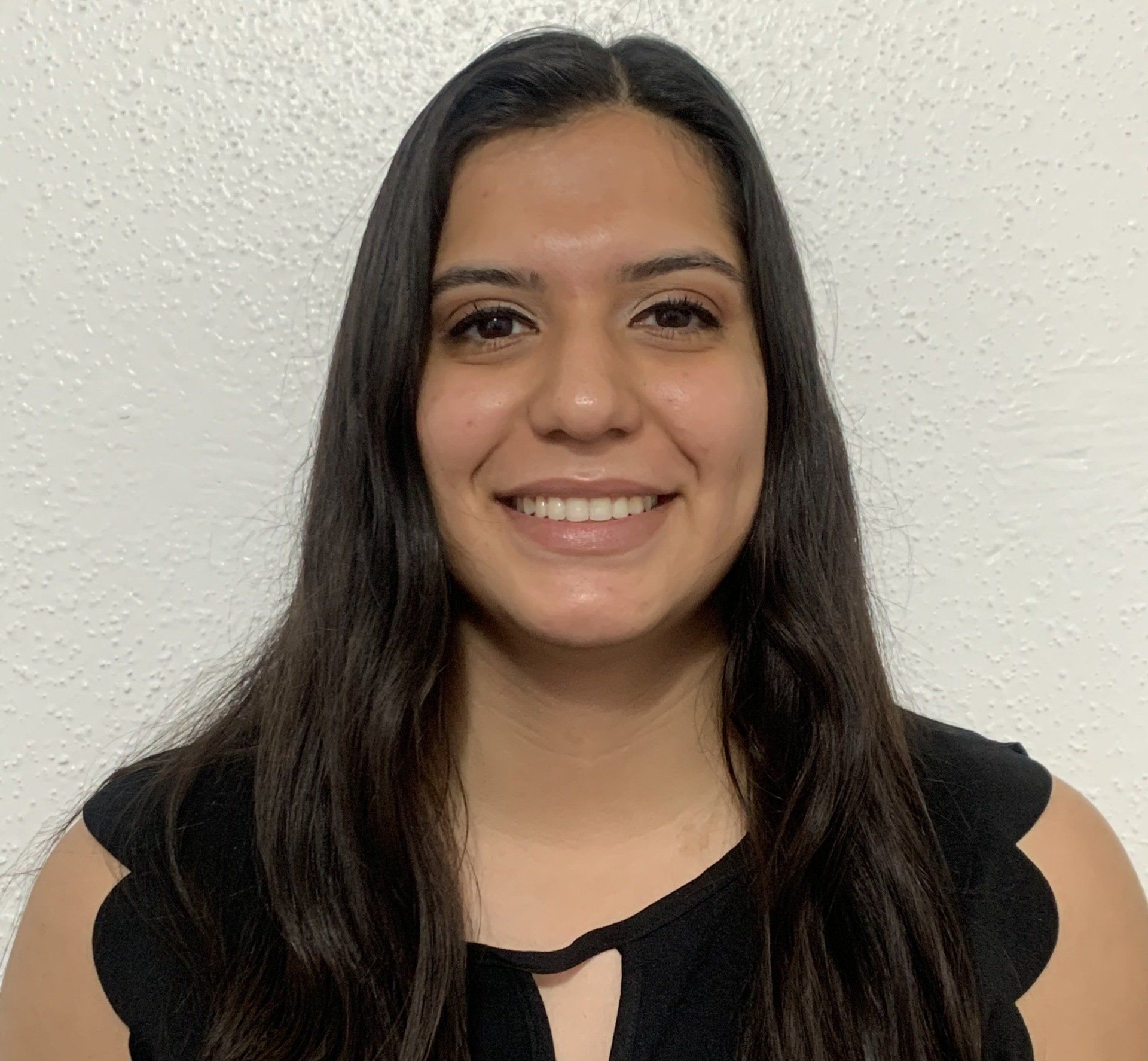
July Advocate Spotlight

Miranda Robles

 1. How long have you been an Advocate and when did you realize you wanted to become one?


I have been an advocate for one year. I realized I wanted to become an advocate a few months before I applied. I wanted to do more volunteering but continue within the courts and justice system. I also realized I had minimal exposure to working with children and wanted to expand my experience in that. My mom told me my grandma used to be a supervisor and told me how rewarding it was, and I knew I wanted to be an advocate for CASA.


2. What is the most rewarding aspect of being an Advocate? 


The most rewarding aspect of being an advocate is being able to connect with the kids you come into contact with. Building that bond with them every visit and seeing that they are cared for and are happy makes this volunteer worth it and makes my motivation stronger to make sure these children have a voice in continuing this happiness.


3. If you could offer some words of encouragement to your fellow and incoming Advocates, what would they be?


A few words of encouragement that I would give to other advocates is to trust the process. It might be a little overwhelming and intimidating at first, but once you get into the flow and get to know the kids, it’s amazing!
By bfines March 9, 2026
In March 2025, Child Protective Services removed four young children, just 7, 4, 2, and 3 months old, from their mother’s care. This difficult step followed ongoing concerns about neglect, largely connected to the mother’s struggle with substance use, even during her most recent pregnancy. Although CPS offered support through Family Based Safety Services, the mother was unable to engage in the help provided. The children’s father was also unable to support them due to his own substance abuse and his incarceration in Bexar County Jail. Before removal, the children’s basic medical and educational needs were going unmet. They had been moved repeatedly between their mother and other relatives, leaving them without the stability, routine, and nurturing supervision every child deserves.  When CASA Staff Advocate, JoAnn Herring, was assigned the case in April 2025, she immediately reached out to both kinship caregivers to understand the children’s needs and how to best support the families stepping in to care for them. JoAnn quickly learned that the paternal grandmother, who lovingly took in some of the children, was struggling financially and facing barriers due to limited English proficiency. To ensure she wasn’t facing these challenges alone, JoAnn submitted a CFE (Collaborative Family Engagement) referral and personally provided translation support so the grandmother could access services with dignity and understanding. Throughout the case, JoAnn has witnessed moments where cultural sensitivity was lacking, and personal biases influenced important decisions; often at the expense of what was best for the children. Despite these obstacles, she continues to advocate steadfastly and compassionately for the children to remain with the kinship caregivers who have opened their homes and hearts to provide safety, consistency, and love. Although the case is not yet over, Joann’s story demonstrates that CASA’s advocacy reaches beyond the children themselves, strengthening the village of care and support surrounding them, because CASA wants children to be safe, to thrive, and to have their overall well-being protected.
By bfines March 9, 2026
Johnathan Cobb
Show More