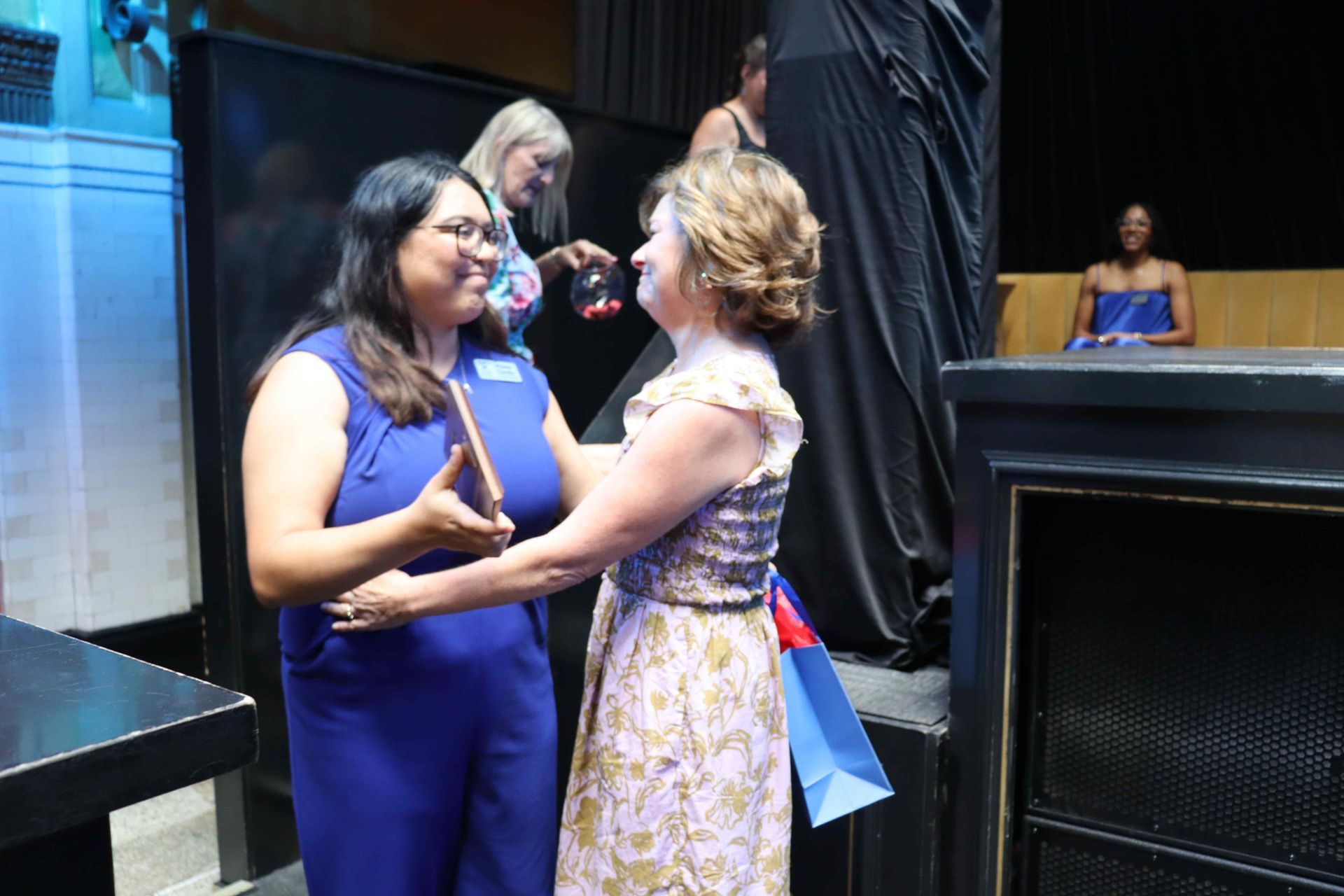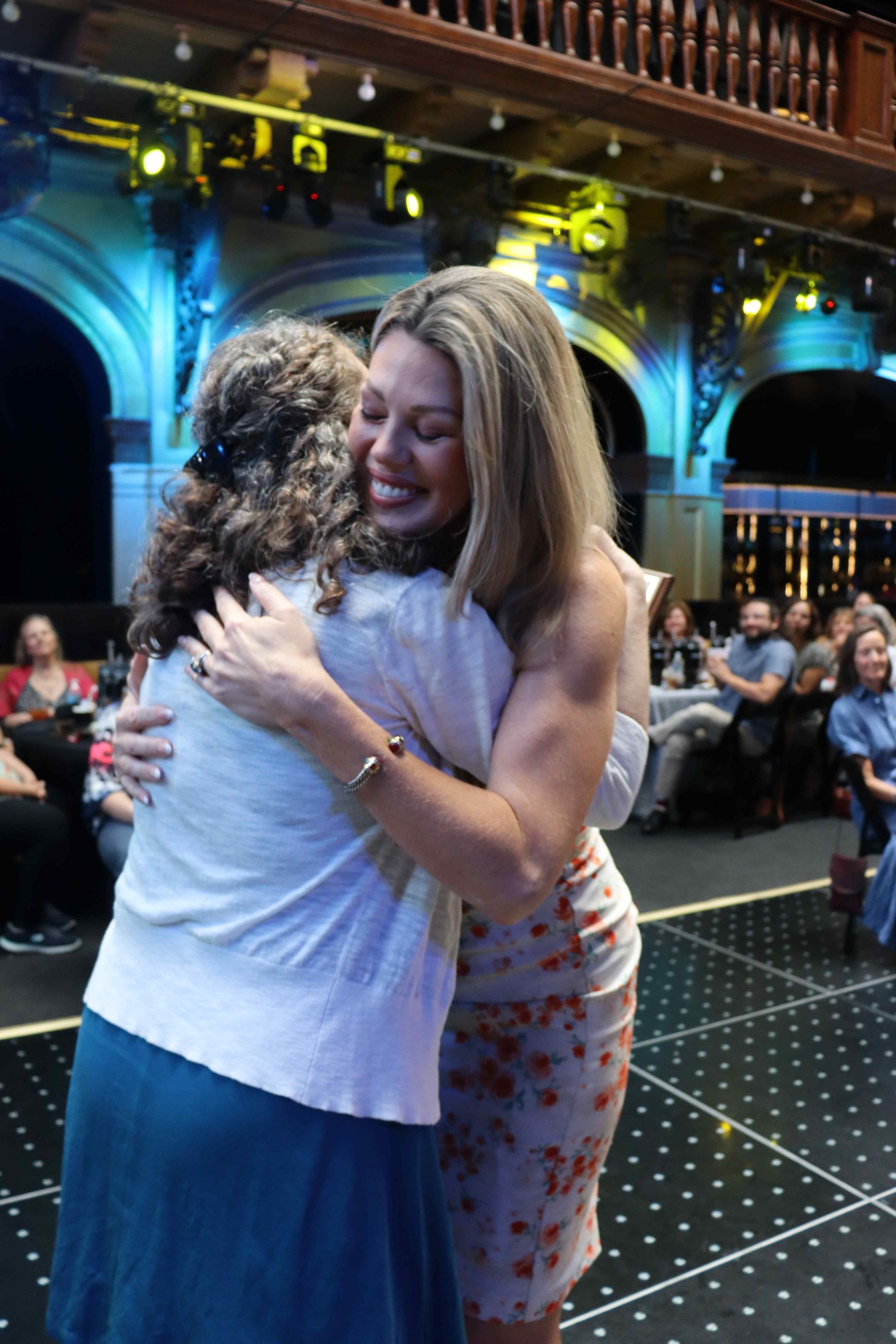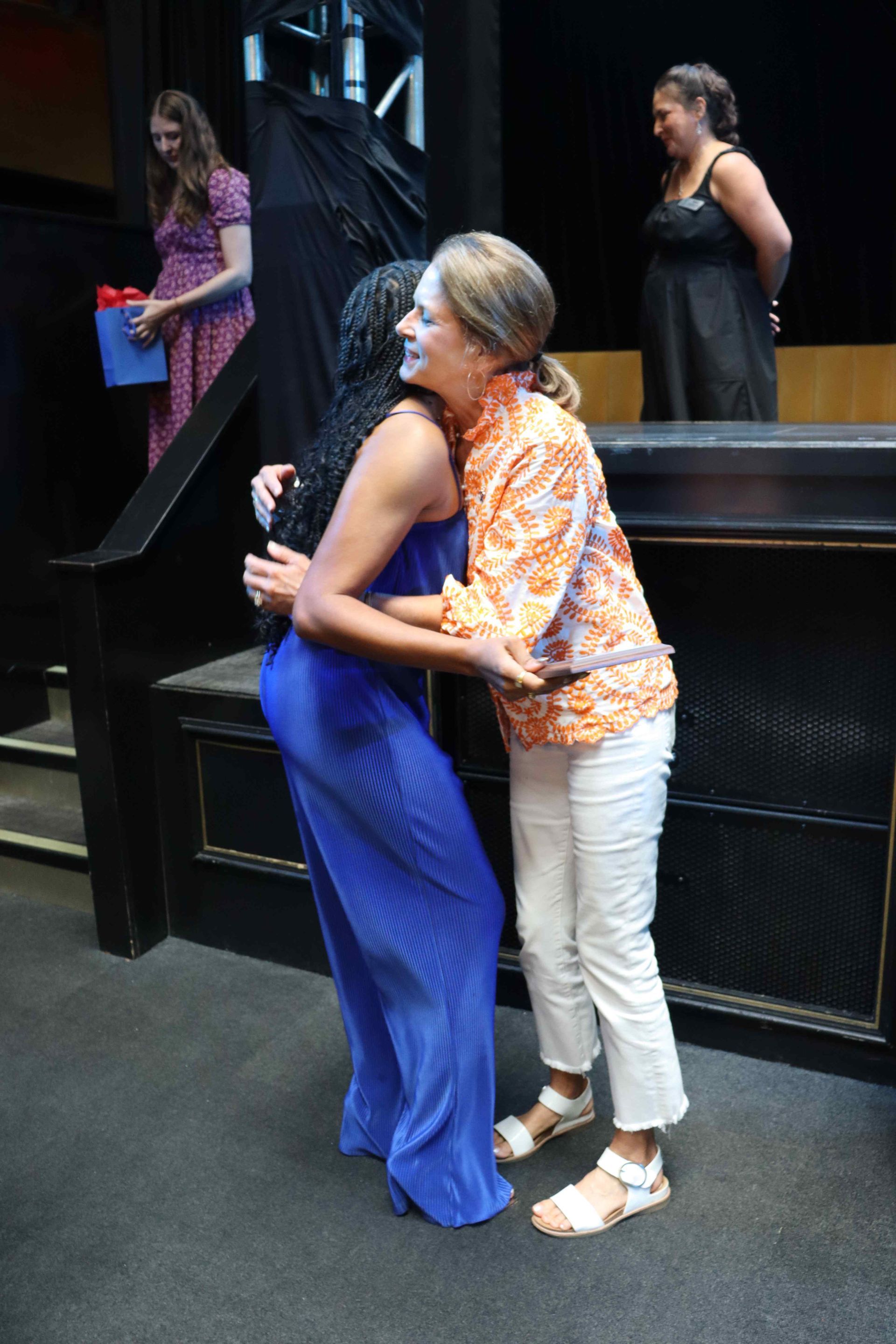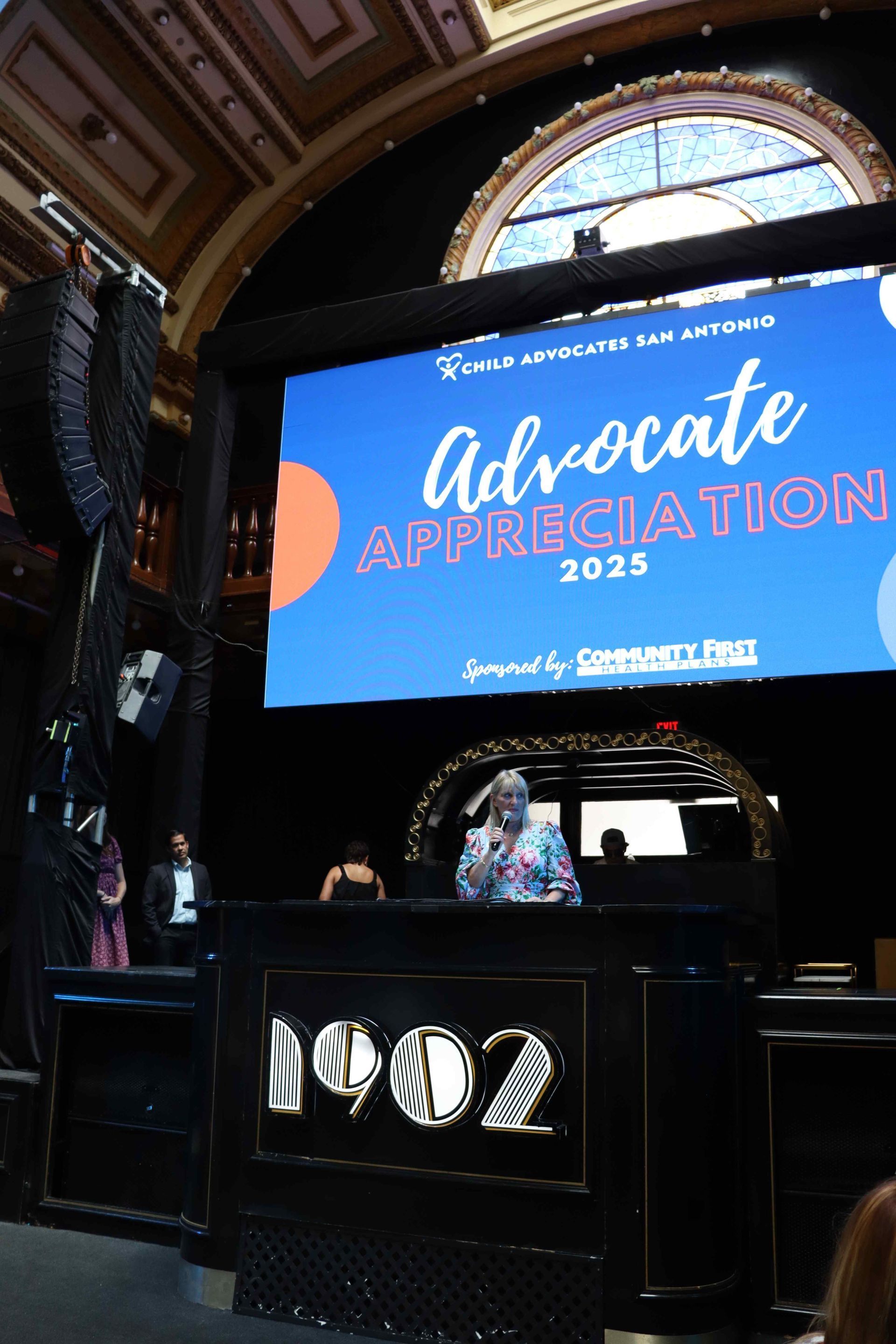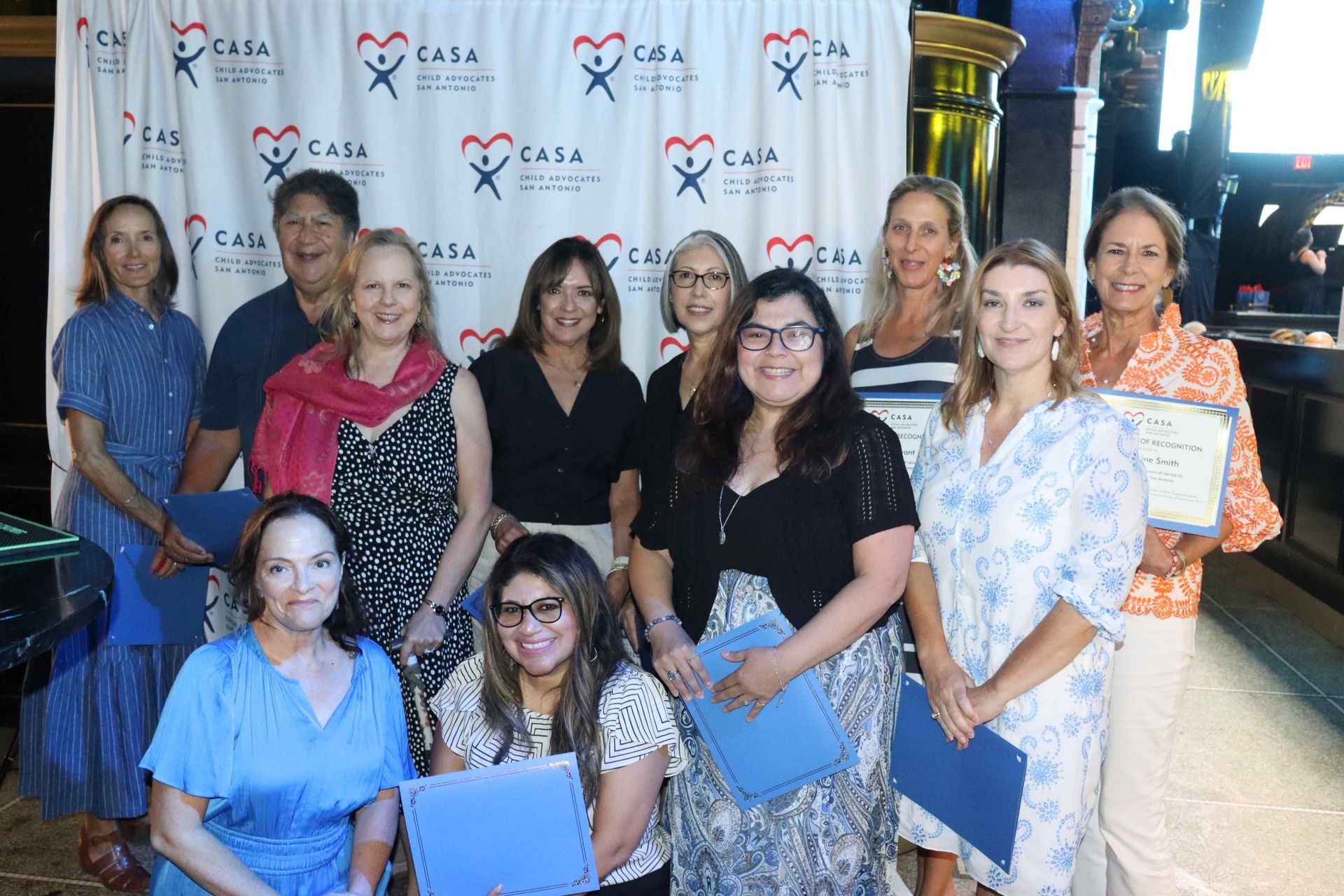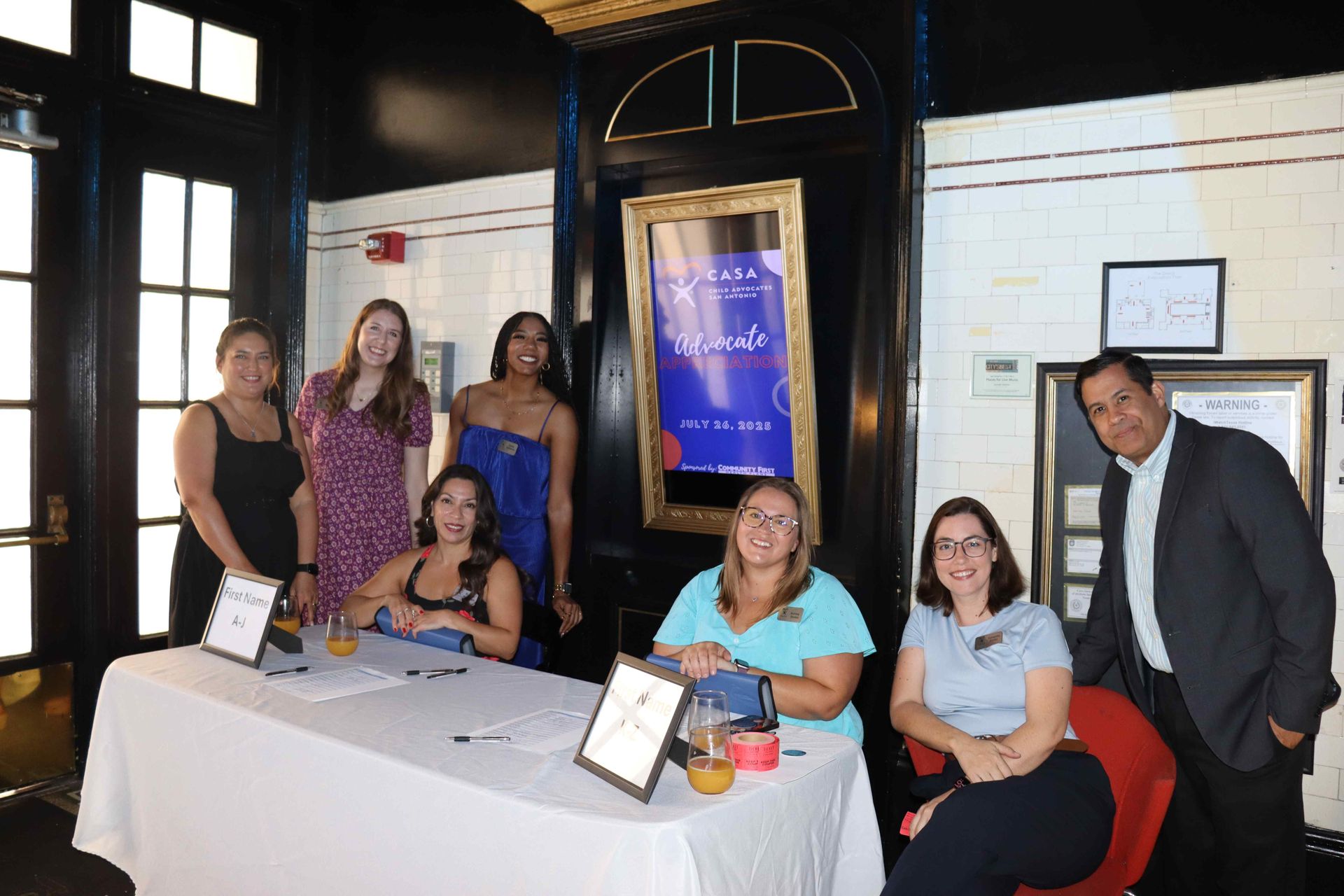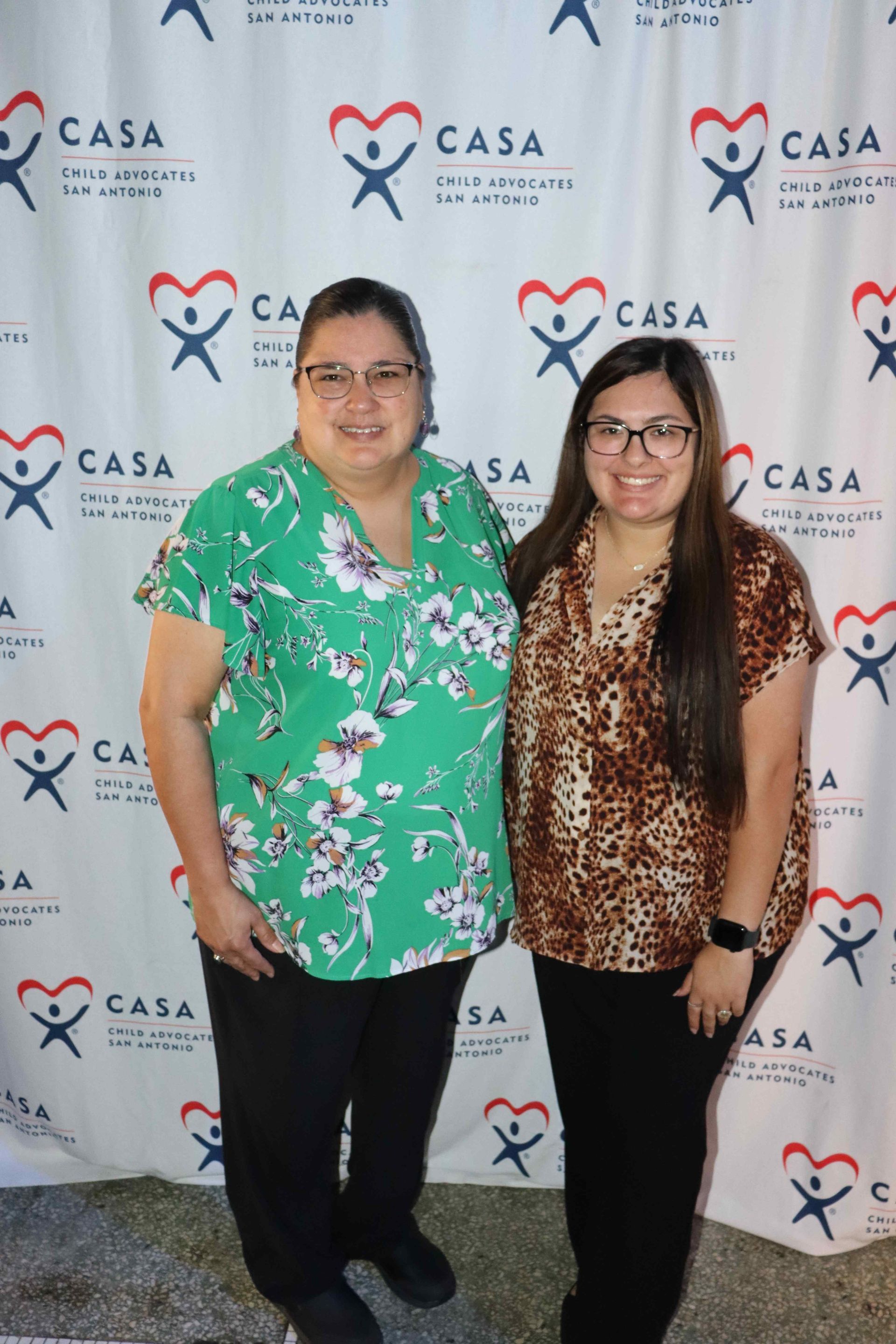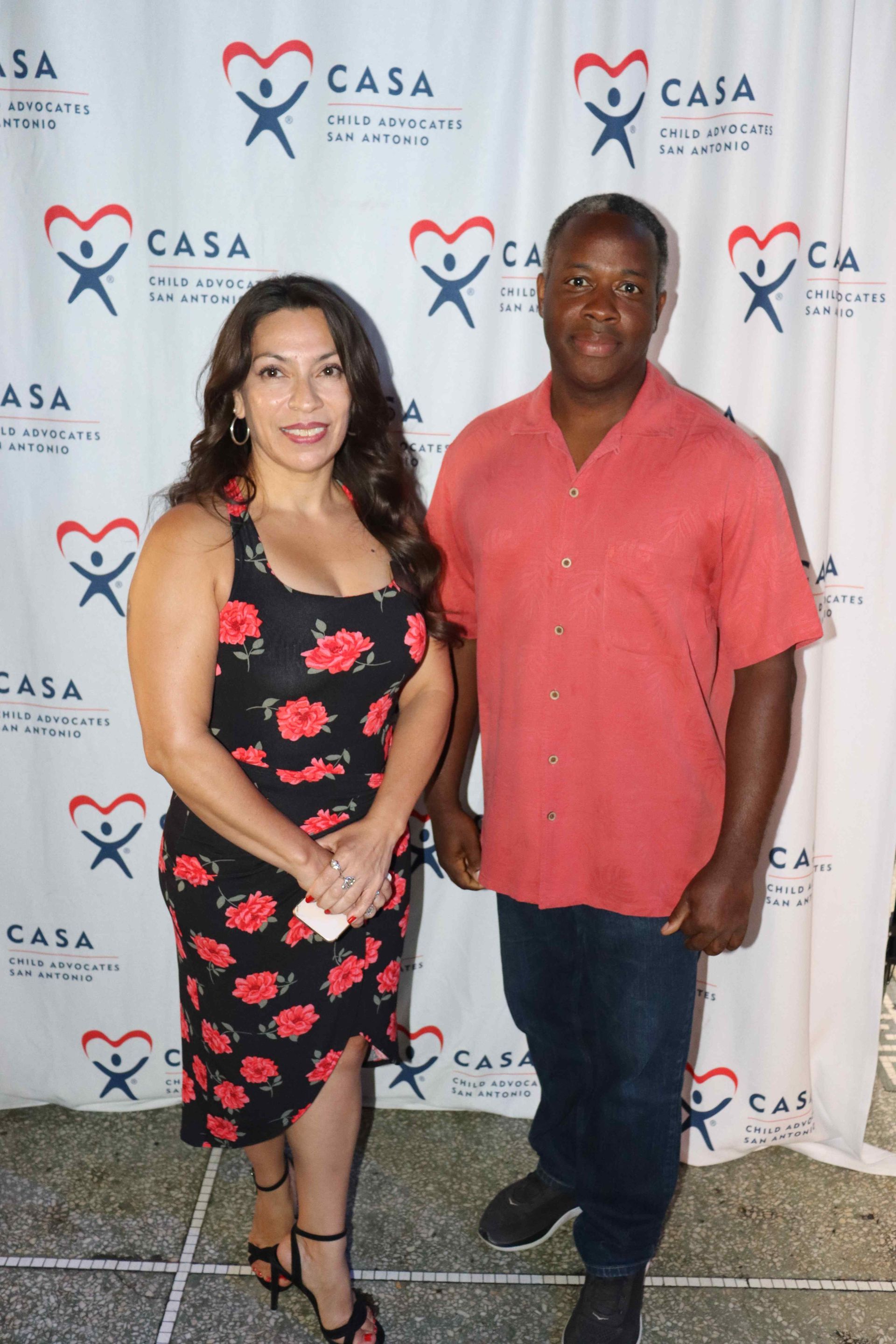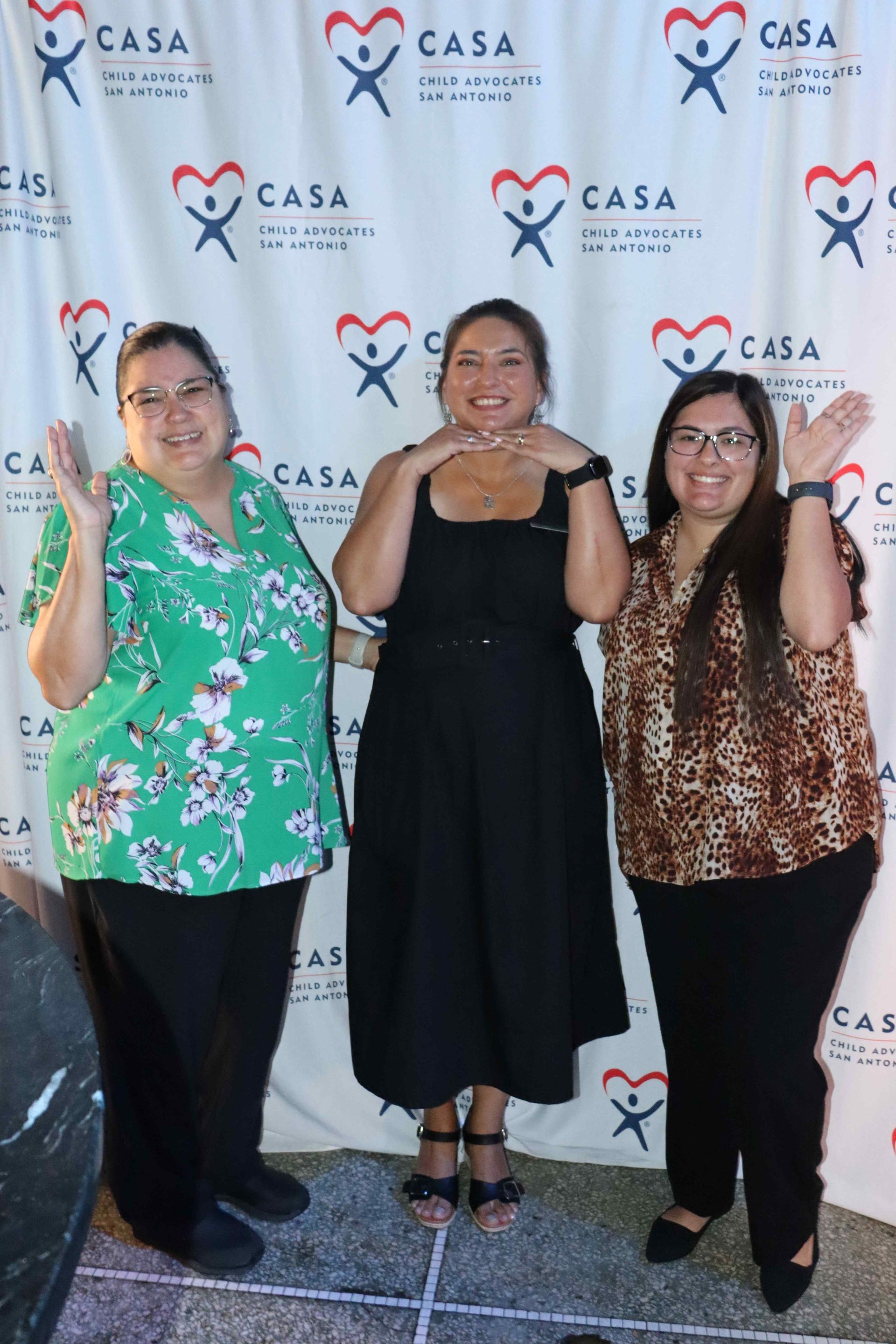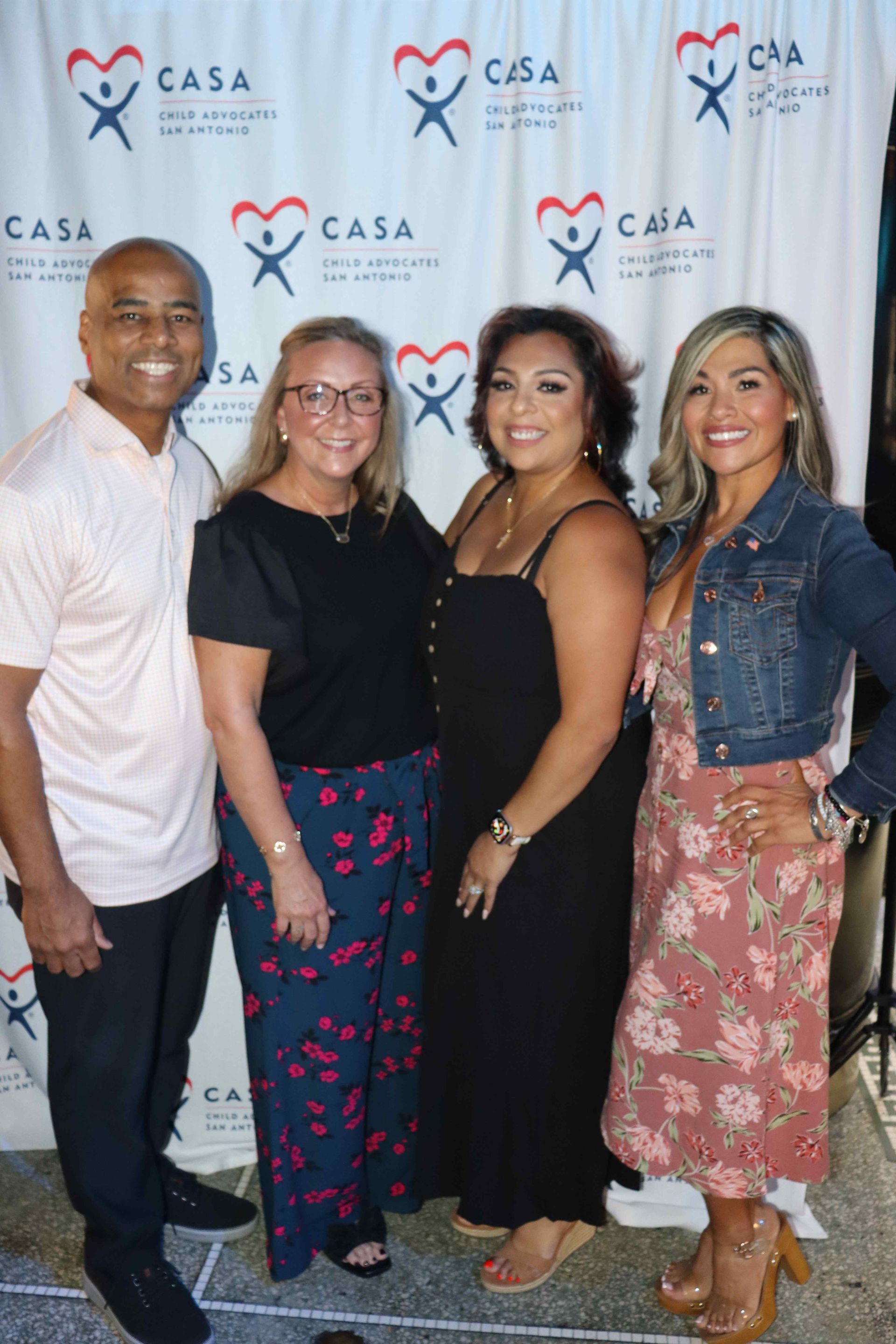

2025 Advocate Awards

Celebrating the Heart of CASA:

Our 2025 Advocate Awards 

Every year, our Advocate Awards are a chance to pause and reflect on the incredible people who make CASA’s mission possible. These are the people who step into complex, often heartbreaking situations—and bring hope. They don’t do it for applause, but for the children and youth who deserve to have someone in their corner. 


This year’s honorees reminded us that advocacy is both an act of courage and an act of love. Their stories are as inspiring as they are unique, and we’re honored to share them with you. 


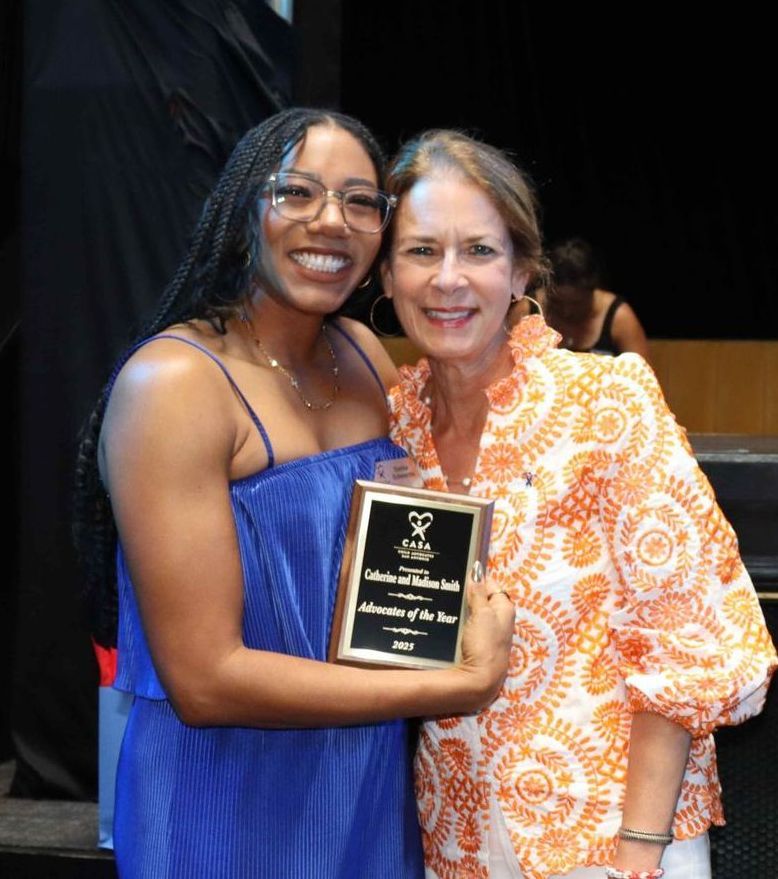
🏆 Advocate(s) of the Year – Catherine & Madison Smith 

Advocacy is often deeply personal work, but Catherine and Madison Smith have made it a family affair. This mother-daughter team brings twice the energy, twice the compassion, and twice the dedication to the children they serve. 


They’ve navigated complex cases with grace, sharing the workload while offering children the unique comfort of having both a steady, maternal figure and a relatable, younger advocate in their corner. Their teamwork is seamless—when one can’t be there, the other steps in. The result is that the children they serve never feel alone. Catherine and Madison’s bond is a living example of CASA’s belief that relationships change outcomes. Together, they are proof that advocacy can be a family legacy. 
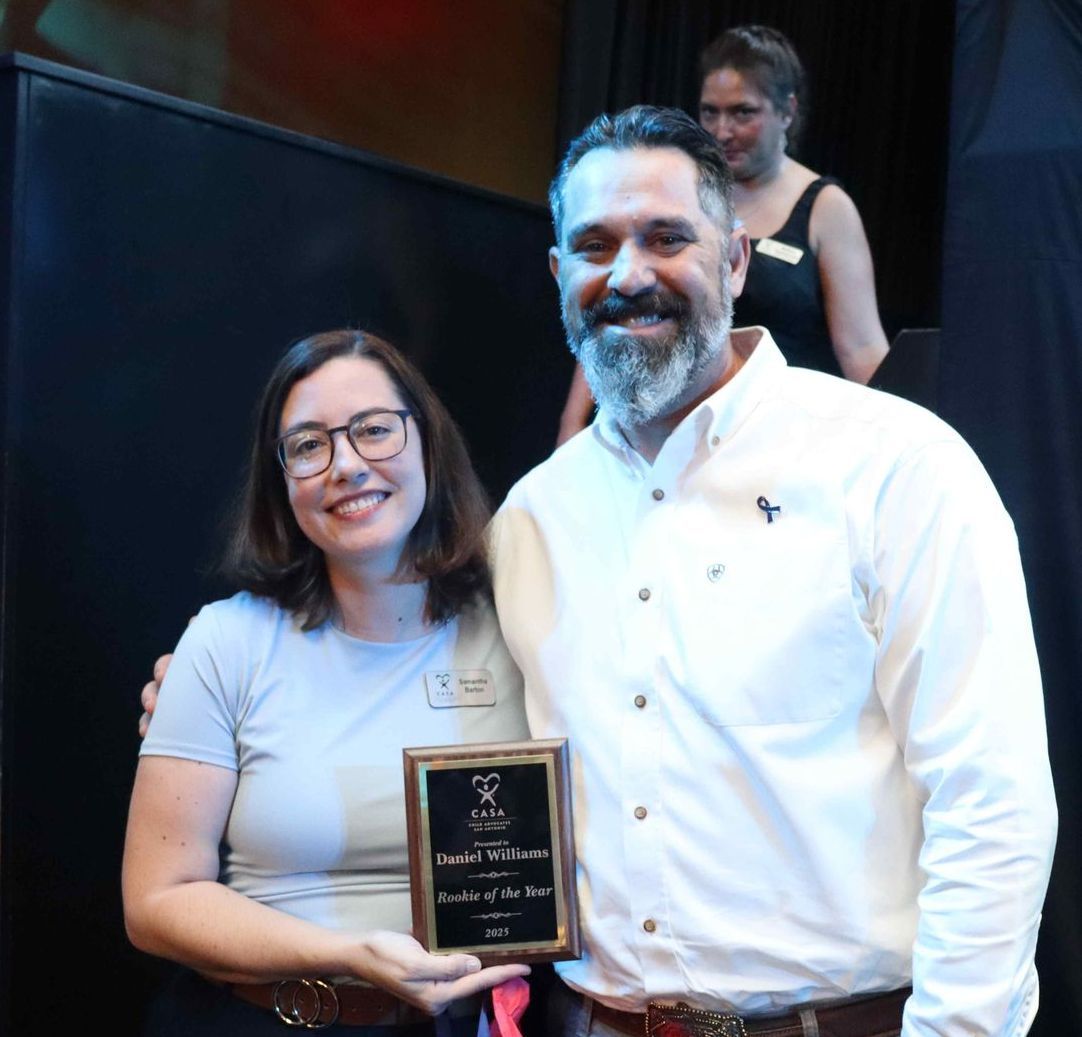

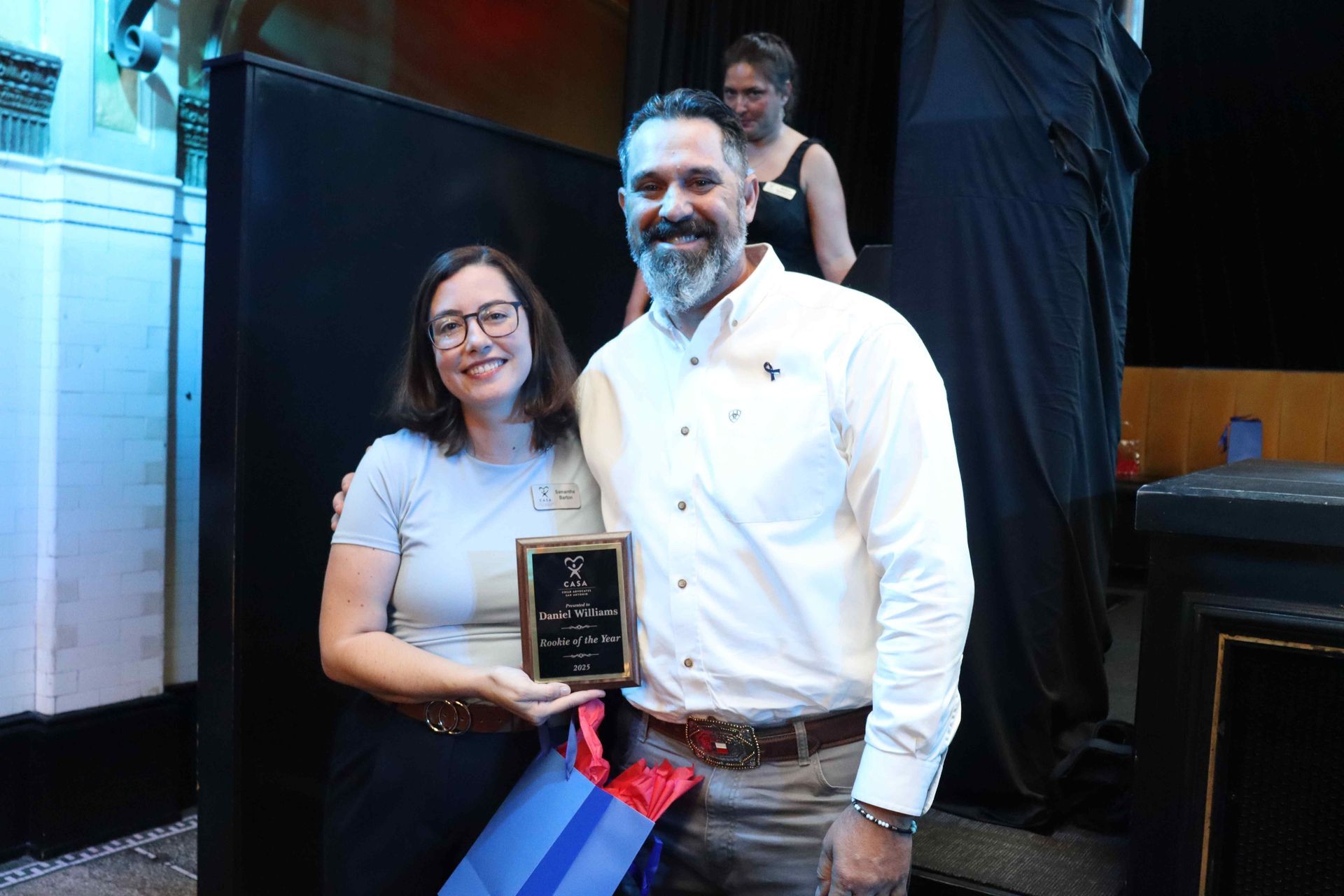
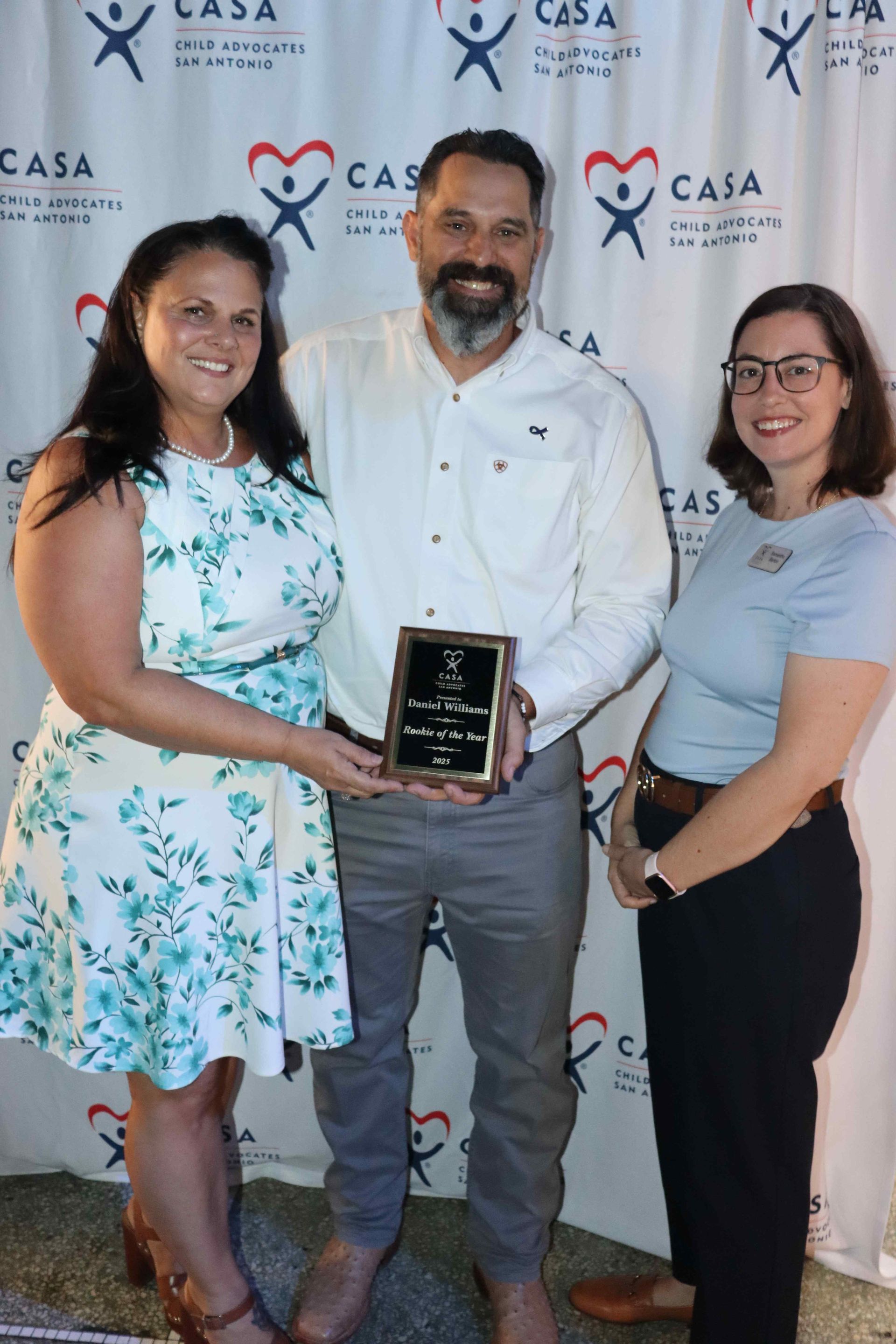
🏆 Rookie of the Year – Daniel Williams 


Starting something new takes bravery. Stepping into the role of a CASA advocate takes bravery and heart. Daniel Williams came into his first year with both, along with a willingness to learn and grow. 



While some new advocates take time to find their footing, Daniel jumped right in—building relationships, showing up for every court date and visit, and ensuring his assigned children felt heard and supported. His calm presence and thoughtful approach have already made an impact, proving that you don’t have to be a veteran to change a life. Daniel’s first year is just the beginning, and we can’t wait to see the legacy he builds. 


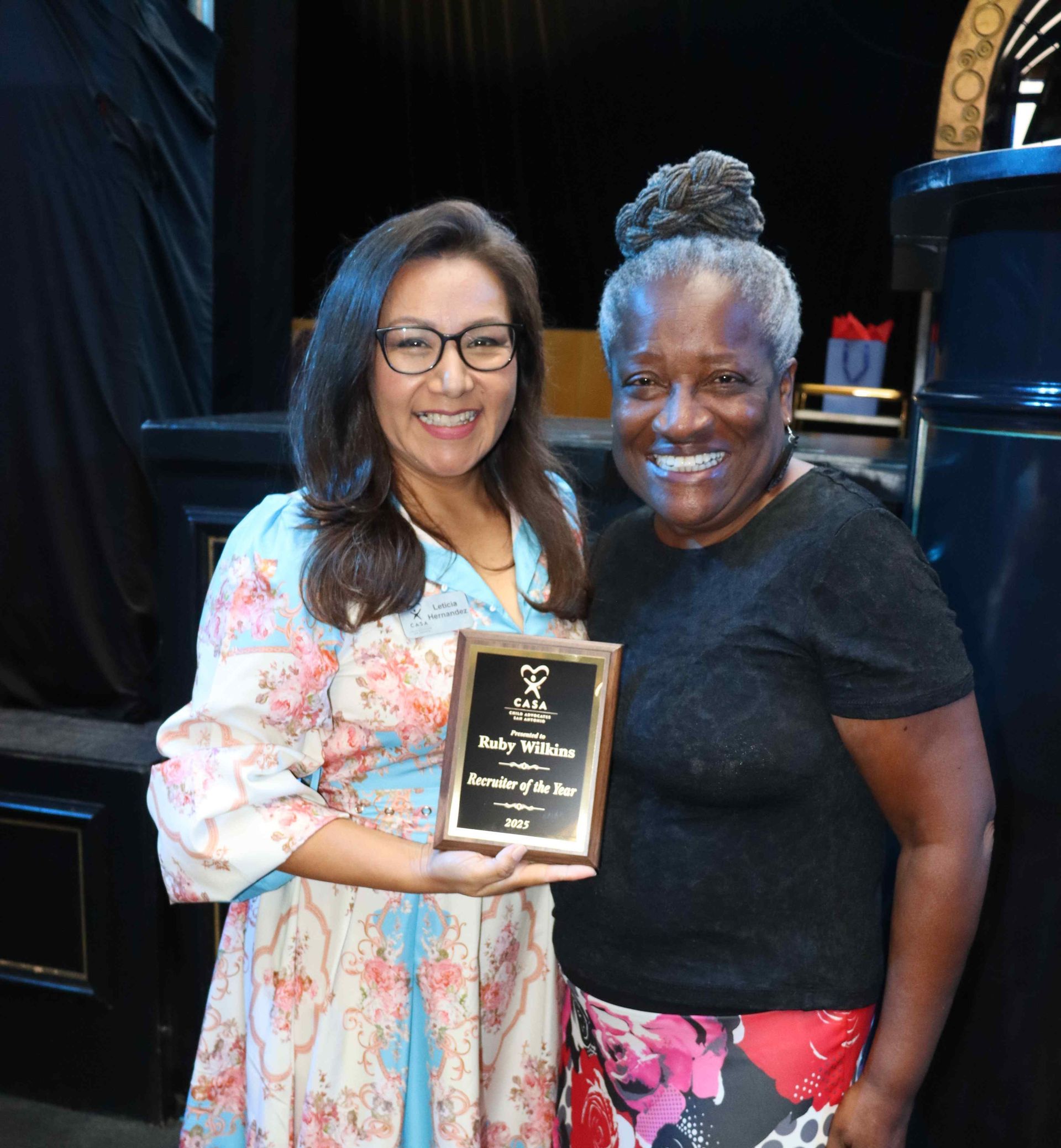
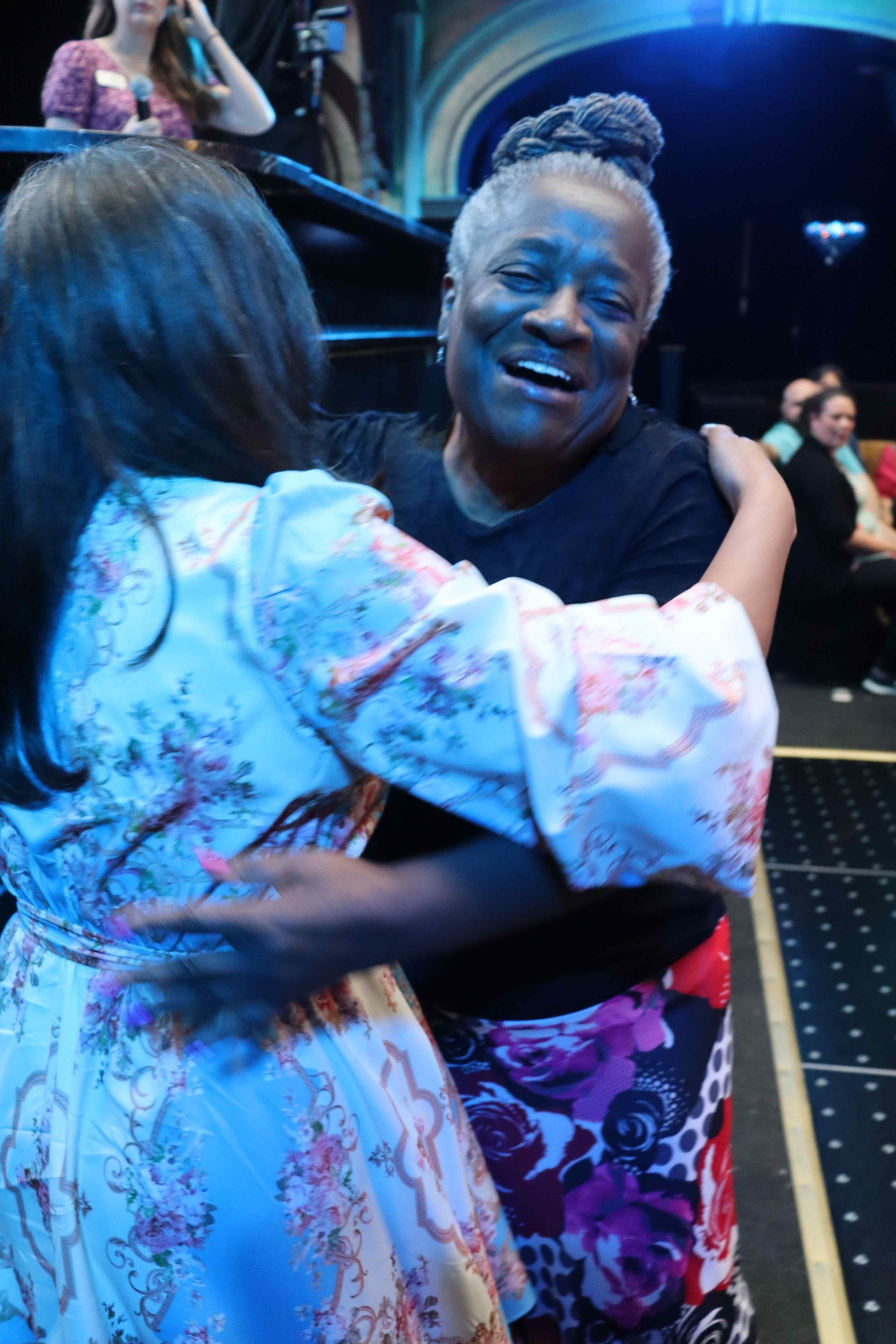
🏆 Recruiter of the Year – Ruby Wilkins 


Ruby’s story is one of quiet strength meeting relentless dedication. For three years, she has been the steady, compassionate constant in a case involving children placed with their grandparents. Navigating the child welfare system can be daunting, but Ruby walked alongside the grandparents every step of the way—explaining processes, attending ARD meetings, and ensuring educational stability for the kids. But Ruby didn’t stop at serving her own case. She looked around and saw the bigger need—more advocates for more children—and she answered that call too. 


She went on live TV with KSAT 12 to talk about CASA’s mission. She filmed a recruitment video. She brought guests to our Information Sessions. She passed out flyers at her church. At events, she sometimes personally escorted curious attendees to our table to make sure they got the information they needed. 


Ruby doesn’t just advocate for the children on her case—she advocates for all children who still need someone. And she does it without seeking the spotlight. This award is our way of shining it on her, even if she’s too humble to ask for it herself. 


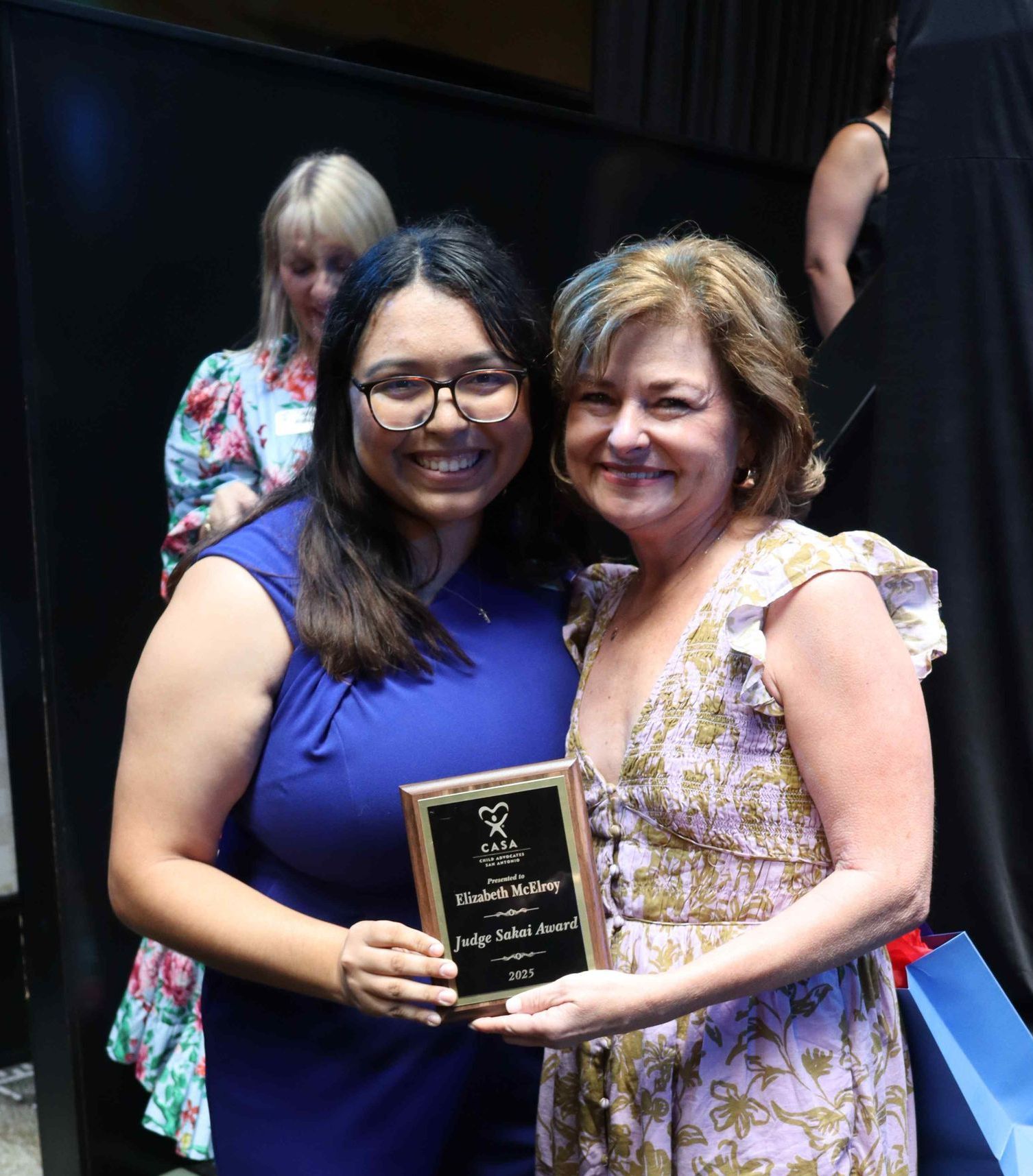
🏆 Judge Sakai Award – Elizabeth McElroy 


The Judge Sakai Award honors an advocate who goes above and beyond in championing the needs of children in foster care, much like Judge Peter Sakai has done in our community for decades. Elizabeth McElroy embodies that standard. 


Known for her meticulous casework and unwavering follow-through, Elizabeth has been the voice for children in complex situations, making sure no detail is overlooked. Her ability to balance compassion with firm advocacy has earned her respect in the courtroom and trust from the children she serves. She’s not afraid to ask hard questions or to push for what’s right, even when it’s inconvenient. In short—Elizabeth is the kind of advocate every child deserves. 


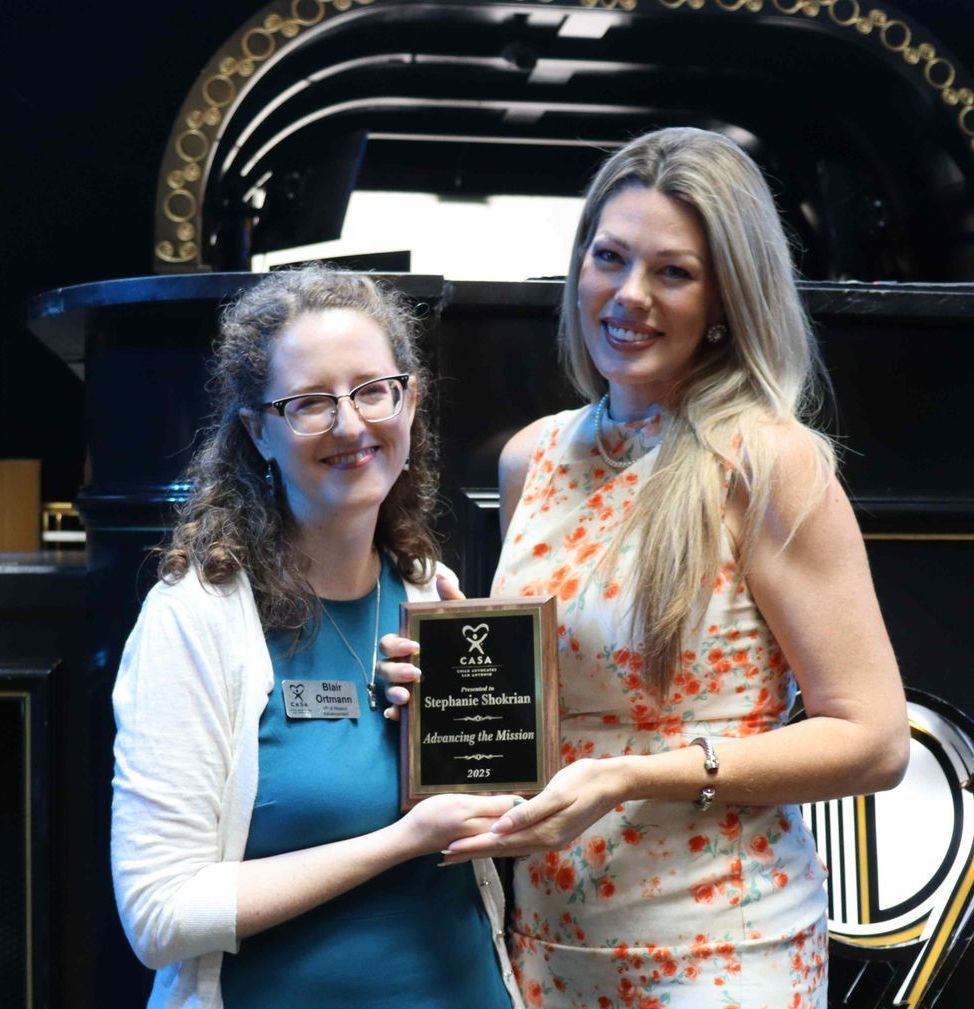
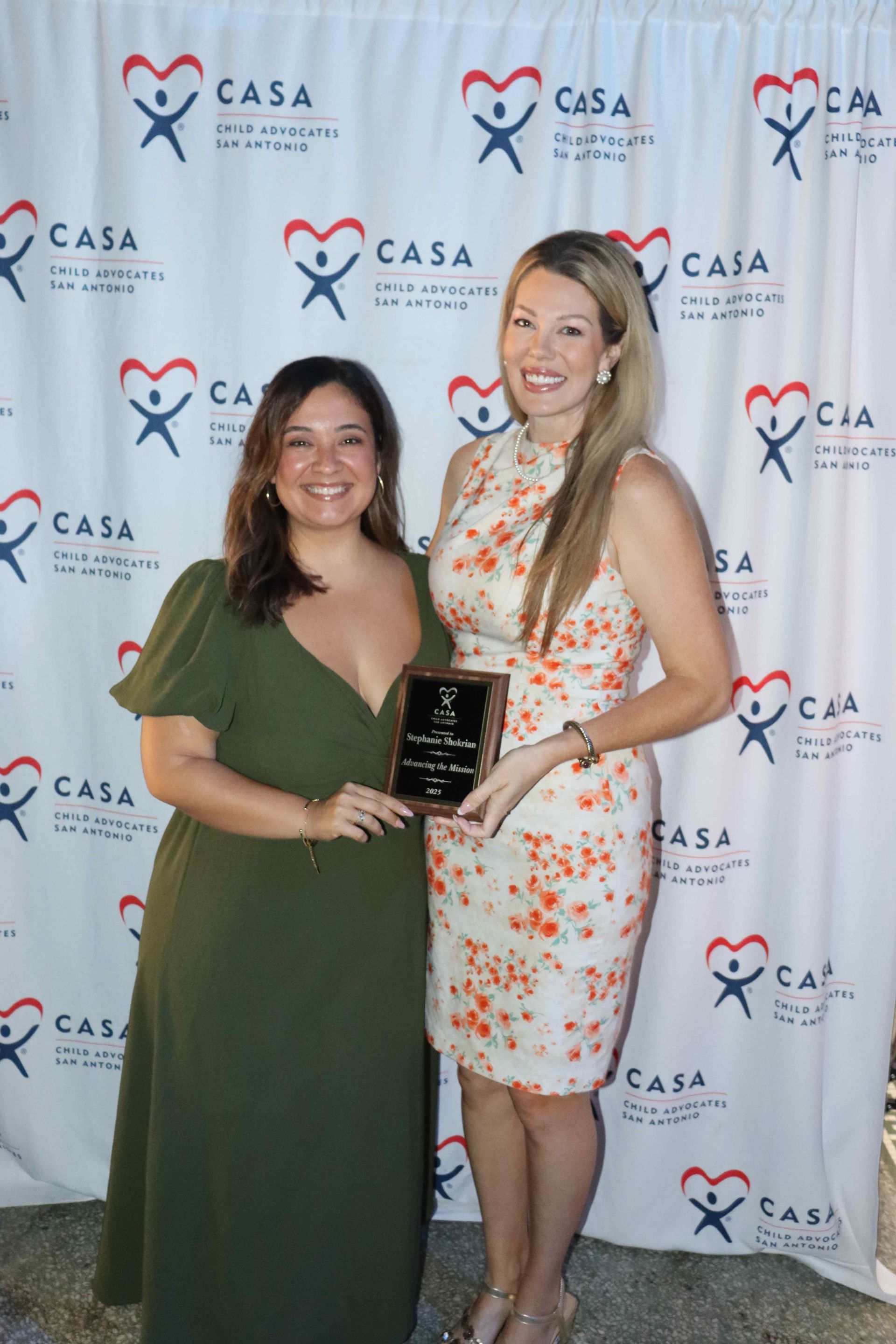
🏆 Advancing the Mission – Stephanie Shokrian 


When Stephanie Shokrian became a CASA in early 2023, she didn’t just sign up for a role—she stepped into a calling. 


One of her earliest cases involved newborn twins, Gideon and Yana. They couldn’t speak for themselves, but Stephanie listened anyway—through every doctor’s visit, every placement meeting, every court hearing. She fought to keep the siblings together, advocated for their medical and emotional needs, and worked hand in hand with caseworkers, attorneys, and the judge to protect their best interests. Her persistence paid off. Gideon and Yana remained together, and today they’re thriving in a loving, adoptive home. 


Stephanie’s advocacy doesn’t stop in the courtroom. She’s been a public voice for CASA—speaking at the Gallery of Hope, helping to commemorate 40 years of CASA’s impact in the community. As part of the event committee and a featured speaker, she played a pivotal role in raising awareness and encouraging giving that night, helping the event raise nearly three-quarters of a million dollars. She’s given TV interviews, appeared in CASA ads, and even received the Morgan’s Wonderland Heart of Gold award for her compassion and impact on children with special needs. And every time she’s recognized, she uses it as a chance to spotlight CASA. 


Stephanie is the kind of volunteer who says “yes” when help is needed, whether that means gathering auction items or standing on a stage in front of hundreds. She’s advancing the mission every single day.


💙 More Than Awards💙


The Advocate Awards aren’t just a celebration—they’re a collection of stories. Stories of people who stand up when others step back. Stories of persistence when the system feels impossible. Stories of love expressed through action. 


This year’s honorees remind us that advocacy is not about titles—it’s about the lives changed along the way. 


To our winners, and to every CASA advocate: thank you. You are the heartbeat of this mission, and you are proof that one person can make a difference. 

By bfines December 10, 2025
Jimmy and Mary Young eagerly began their second case in August 2024. The children—Chris, 11; Emily, 9; and Sofia, 7—were in the care of the Department due to neglectful supervision by their mother, who struggled with alcohol dependency and depression. She had left the children unattended to travel to Port Aransas to drink and go fishing. In addition, the home environment was observed to be in disarray, with minimal food, posing a risk to the children’s well-being. The mother was arrested on three counts of abandonment of a child. The children’s father had passed away from cancer a few months earlier, in March 2024. The children were initially placed with their grandmother, who decided after a few weeks that she could not care for them. They were then placed with an uncle, who gave notice within two weeks. Subsequently, the children were placed together at Boysville, where they remained for the duration of the case. Although the children had already experienced two moves in just one month, the Youngs were optimistic about their placement at Boysville. The children from Jimmy and Mary’s first case had also been placed at Boysville, so the Youngs were familiar with the facility and had established a good rapport with the staff. From the beginning, Mr. Jimmy introduced himself to all parties involved in the case, exchanged phone numbers with the caseworker and the children’s attorney, and maintained close communication with them during the children’s moves. Once the children were placed at Boysville, Mr. Jimmy contacted the case manager and counselors there to inquire about setting up therapy and enrolling the children in school. The Youngs advocated for transportation to and from school, and the children were approved to ride the school bus. They also recommended bereavement therapy to help the children cope with the loss of their father. Mr. Jimmy learned about a summer camp at the Children’s Bereavement Center, made a few calls, and successfully registered the children to attend. Throughout the duration of the case, the Youngs visited the children monthly, maintained close contact with the CPS caseworkers, updated the children’s attorney after visits, and remained in frequent contact with the children’s therapists and teachers. They advocated for tutoring and addressed behavioral concerns with the children’s therapists. The Youngs documented everything in Optima, wrote court reports, and attended several CASA training courses to stay informed and further their knowledge of child welfare. They also chose to attend court in person to maintain face-to-face contact with the judge, other parties on the case, and the children’s mother. One particularly notable aspect of this case was the Youngs’ consistent communication and engagement with the children’s mother. After their initial meeting, the Youngs maintained regular contact with her, inquiring about her progress in services, employment, and housing. They frequently encouraged her to continue and complete her services, checked in after court hearings, and provided moral support—offering her hope. During the previous Christmas, Jimmy and Mary sent the mother a recording of the children singing Christmas carols, delivered messages from the children, and shared photos of special events. During phone calls or family visits, they listened patiently, giving her space to express herself. Within a few months, the mother opened up to them about the children’s father and his cancer diagnosis, sharing how it was discovered and discussing his passing. As the mother continued working on her services, Jimmy and Mary cheered her on, reminding her that her efforts were for the sake of reuniting with her children. At the merits hearing in September, the Youngs, in agreement with CPS, recommended an extension to allow the mother more time to maintain sobriety, begin extended visits with the children, and possibly start overnight, unsupervised visits. The extension was granted, as the mother had completed all her services and maintained stable employment and housing. Weekend visits began, and by late September, the mother continued testing negative for substances. The children were placed with her on a monitored return. Jimmy and Mary visited the children in the home for the following two months, providing CPS, the children’s attorney, and the court with very positive feedback. The children were happy, thriving, and their needs were being met. The Youngs provided their final recommendation of reunification in court in late November, and the judge granted reunification, dismissing CPS from the case.  It was the Youngs’ consistent communication and encouragement toward this young mother that led to the successful reunification. They followed up after hearings, facilitated communication between the mother and caseworkers when the relationship felt strained, and provided the mother the opportunity to share her perspective without judgment—all while encouraging her to do her best for her children.
By bfines December 10, 2025
Alice Babine
Show More