April Advocate Spotlight

Brittany Coppage
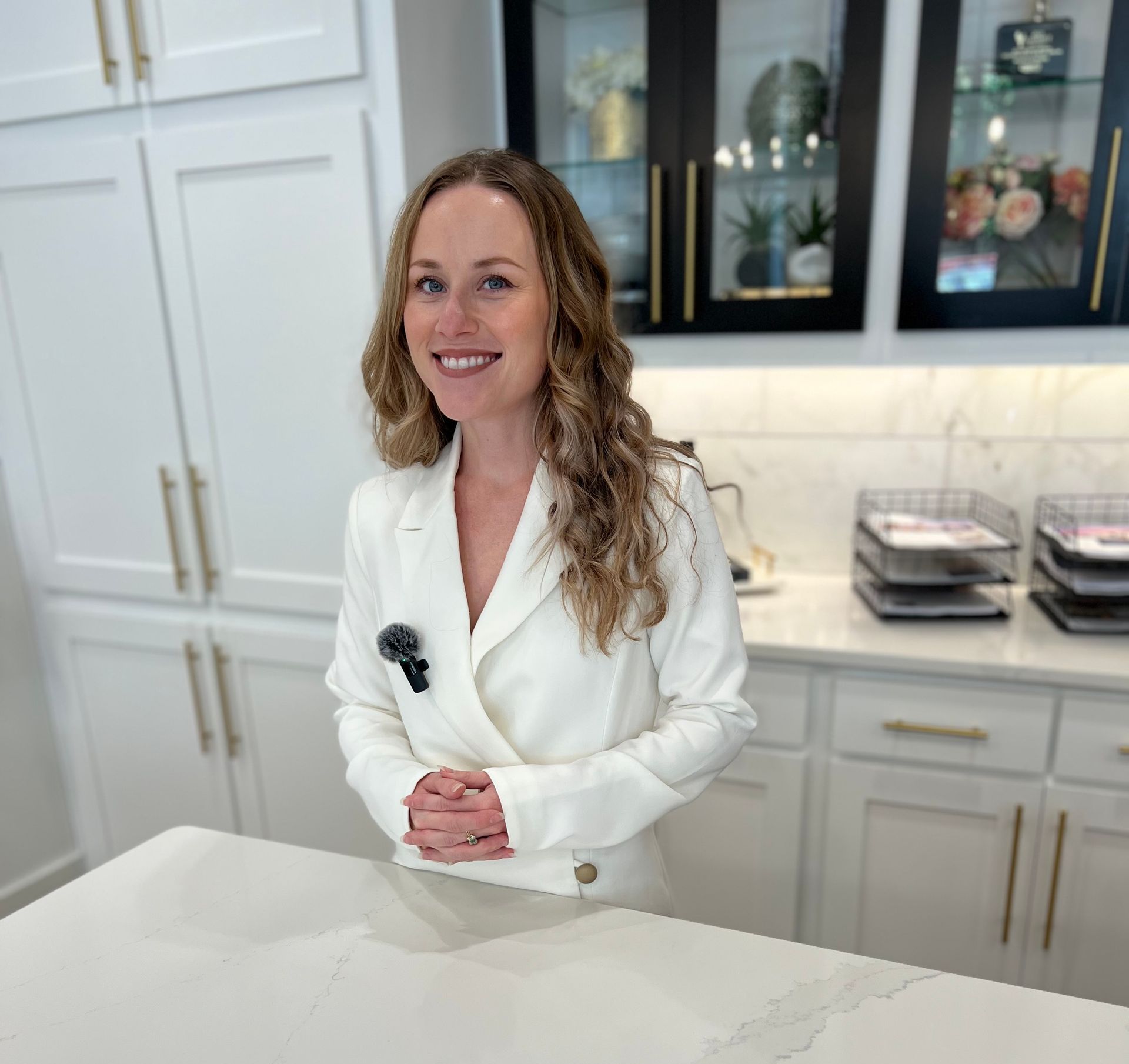
Advocate: Joseph Zlotkowski

1. How long have you been an Advocate and when did you realize you wanted to become one?

I began my advocate journey back in 2019. I remember seeing a commercial for CASA, and it really interested me given its unique opportunity to not only be able to be hands-on with the children who are in the foster care system, but also in the legal system to advocate on their behalf. I think all of us have been touched or saddened by a foster care story that's been presented in the news or knowing someone personally who has gone through the system. Once I found out about this opportunity, I could no longer sit idly by without doing something. Children are vulnerable and deserve to be taken care of. I became an advocate so I could have the opportunity to help just one child. If I could just help one, then I feel like I did my very small part to make this system better for our community's children. Luckily, I have had the opportunity to serve more than one- which makes it even sweeter!


2. What is the most rewarding aspect of being an advocate?

The most rewarding aspect of being a CASA advocate is absolutely developing the special bond with the children I have the pleasure to advocate for. Nothing is better than getting a huge hug and seeing that they are happy and healthy! To know that I am on their team, and that I can help provide the important advocacy for their well-being and safety is a really amazing feeling.


3. If you could offer some words of encouragement to your fellow and incoming Advocates, what would they be?

If I were to offer some words of encouragement to anyone who is or who is becoming an advocate, I'd tell them that this is such a unique experience that will make a difference in a child's life. It may seem overwhelming at times but trust your supervisor to guide you throughout your case. From understanding the process of a case, the legal system, working with attorneys and CPS caseworkers - this is truly an amazing opportunity to learn and expand your mind, especially in complicated situations. Each case will be different and offer opportunities for you as an advocate to develop your skills and become even better for the children you will be helping. It is a huge responsibility. You may have to juggle a career, your own family, and whatever life throws at you while you work on your case, so be ready to just keep going! The reward of helping a child will make the hard work with it and knowing you can make a difference in our community is an amazing superpower to have.
By bfines December 10, 2025
Jimmy and Mary Young eagerly began their second case in August 2024. The children—Chris, 11; Emily, 9; and Sofia, 7—were in the care of the Department due to neglectful supervision by their mother, who struggled with alcohol dependency and depression. She had left the children unattended to travel to Port Aransas to drink and go fishing. In addition, the home environment was observed to be in disarray, with minimal food, posing a risk to the children’s well-being. The mother was arrested on three counts of abandonment of a child. The children’s father had passed away from cancer a few months earlier, in March 2024. The children were initially placed with their grandmother, who decided after a few weeks that she could not care for them. They were then placed with an uncle, who gave notice within two weeks. Subsequently, the children were placed together at Boysville, where they remained for the duration of the case. Although the children had already experienced two moves in just one month, the Youngs were optimistic about their placement at Boysville. The children from Jimmy and Mary’s first case had also been placed at Boysville, so the Youngs were familiar with the facility and had established a good rapport with the staff. From the beginning, Mr. Jimmy introduced himself to all parties involved in the case, exchanged phone numbers with the caseworker and the children’s attorney, and maintained close communication with them during the children’s moves. Once the children were placed at Boysville, Mr. Jimmy contacted the case manager and counselors there to inquire about setting up therapy and enrolling the children in school. The Youngs advocated for transportation to and from school, and the children were approved to ride the school bus. They also recommended bereavement therapy to help the children cope with the loss of their father. Mr. Jimmy learned about a summer camp at the Children’s Bereavement Center, made a few calls, and successfully registered the children to attend. Throughout the duration of the case, the Youngs visited the children monthly, maintained close contact with the CPS caseworkers, updated the children’s attorney after visits, and remained in frequent contact with the children’s therapists and teachers. They advocated for tutoring and addressed behavioral concerns with the children’s therapists. The Youngs documented everything in Optima, wrote court reports, and attended several CASA training courses to stay informed and further their knowledge of child welfare. They also chose to attend court in person to maintain face-to-face contact with the judge, other parties on the case, and the children’s mother. One particularly notable aspect of this case was the Youngs’ consistent communication and engagement with the children’s mother. After their initial meeting, the Youngs maintained regular contact with her, inquiring about her progress in services, employment, and housing. They frequently encouraged her to continue and complete her services, checked in after court hearings, and provided moral support—offering her hope. During the previous Christmas, Jimmy and Mary sent the mother a recording of the children singing Christmas carols, delivered messages from the children, and shared photos of special events. During phone calls or family visits, they listened patiently, giving her space to express herself. Within a few months, the mother opened up to them about the children’s father and his cancer diagnosis, sharing how it was discovered and discussing his passing. As the mother continued working on her services, Jimmy and Mary cheered her on, reminding her that her efforts were for the sake of reuniting with her children. At the merits hearing in September, the Youngs, in agreement with CPS, recommended an extension to allow the mother more time to maintain sobriety, begin extended visits with the children, and possibly start overnight, unsupervised visits. The extension was granted, as the mother had completed all her services and maintained stable employment and housing. Weekend visits began, and by late September, the mother continued testing negative for substances. The children were placed with her on a monitored return. Jimmy and Mary visited the children in the home for the following two months, providing CPS, the children’s attorney, and the court with very positive feedback. The children were happy, thriving, and their needs were being met. The Youngs provided their final recommendation of reunification in court in late November, and the judge granted reunification, dismissing CPS from the case.  It was the Youngs’ consistent communication and encouragement toward this young mother that led to the successful reunification. They followed up after hearings, facilitated communication between the mother and caseworkers when the relationship felt strained, and provided the mother the opportunity to share her perspective without judgment—all while encouraging her to do her best for her children.
By bfines December 10, 2025
Alice Babine
Show More