September Advocate Spotlight
September Advocate Spotlight: Lena Sierocinski
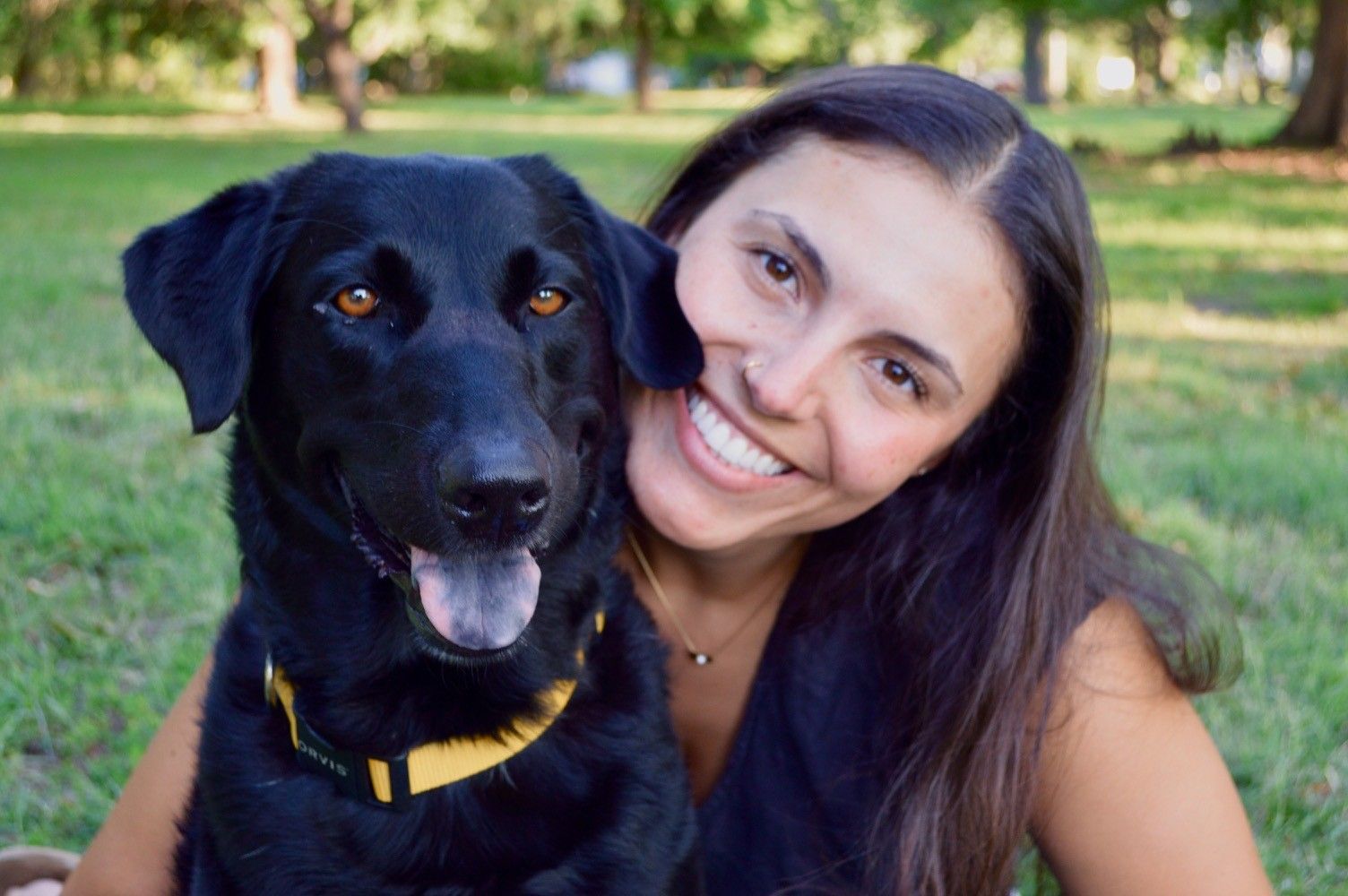
How long have you been an Advocate and when did you realize you wanted to become one?
I’ve been an advocate since January 2022. I’ve always loved volunteering and finding ways to support my community—whether through fostering puppies with SAPA or helping at the San Antonio Food Bank. But the moment I realized I wanted to become an advocate was actually pretty unexpected. My work with the Food Bank was rewarding, but after some internal changes it became more challenging to stay motivated.
One day, like most Gen Zs, I was scrolling through Instagram and came across a post from a former Bachelor contestant talking about how their mother had been a CASA for years. I remember thinking, ‘Wow, that’s such a meaningful and deeply involved way to change lives.’ That small moment stuck with me, and I reached out to learn more. Once I understood the impact and purpose of the program, I knew immediately that it was exactly the kind of work I wanted to be part of.”
What is the most rewarding aspect of being an Advocate?
The most rewarding aspect of being an Advocate is having the opportunity to show my kiddos what love, stability, and true advocacy look like. Being able to consistently show up for them, listen to them, and champion them through challenging moments means so much. And when they reach that point where they recognize that they’re stuck with me in their corner and know I genuinely have their backs, it’s unlike anything else. That trust is incredibly meaningful, and it’s one of the biggest reasons I continue doing this work.
If you could offer some words of encouragement to your fellow and incoming Advocates, what would they be?
If I could offer some encouragement to fellow and incoming advocates, it would be this: advocacy is meant to be hard. If it feels tough, complicated, or uncomfortable at times, that usually means you’re doing it right. Our job isn’t to sit quietly in the background – it’s to ask the hard questions, especially when something doesn’t feel right. And those questions aren’t limited to one part of a case; they’re for everyone involved, including DFPS caseworkers.
I’ve had two occasions where I had to lean in and say, “No, this is really wrong and needs to be looked at. Once you can promise my kids’ safety, I’ll back off.” It wasn’t easy, and it wasn’t fun, but it was necessary. Be willing to push, even when it makes you the “bad guy” in the moment, is often exactly what keeps a child safe.
So trust your instincts, be brave enough to speak up, and remember: the discomfort you feel is nothing compared to the impact your voice can have on a child’s life.