June Advocate Spotlight

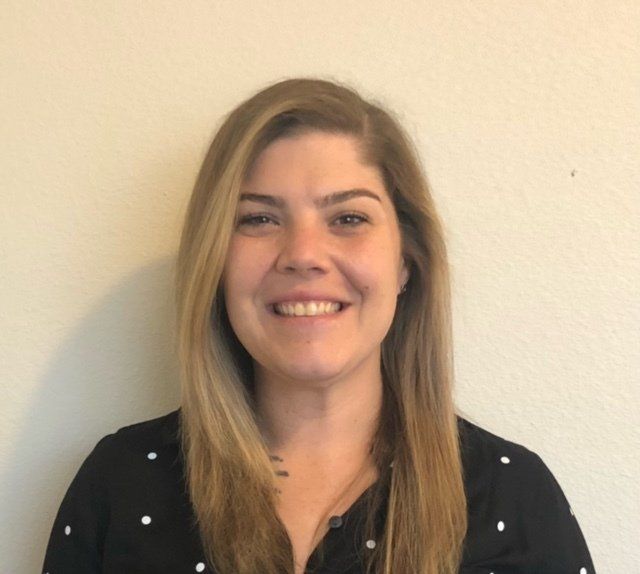
Jennifer Fuller
 1. How long have you been an Advocate and when did you realize you wanted to become one?


I’ve been an Advocate for only a few months now; went through online training before being sworn in February of this year. I first heard about CASA from a college professor two years ago who suggested I look into volunteering because they knew I wanted to work directly with children once graduating. After completing my bachelors in Criminal Justice and Criminology from UTA and relocating to San Antonio, I reached out to CASA’s recruitment team to sign up for the next available training class. 


2. What is the most rewarding aspect of being an Advocate? 


Since becoming an Advocate and accepting my first case, this whole experience has given me such an overwhelming sense of purpose when it comes to advocating for what is in the best interest of the child. It is not always easy considering the trauma some children endure, but with a little love, support, and consistency, I hope to be one positive figure in their lives. 


3. If you could offer some words of encouragement to your fellow and incoming Advocates, what would they be?


I heard a phrase from a guest during one of my training course say this and I would love to share; “observe, don’t absorb.” Open your mind, your heart, and be willing to meet your CASA where they’re at. It may take one, two, or more visits for your youth to be comfortable enough to open up to you, but give them time and a safe space to express themselves at their own pace. 

By bfines January 21, 2026
In November 2025, Child Protective Services received a referral involving two sisters, ages 13 and 14, who were found caring for themselves. Following the death of their father, the girls experienced ongoing abuse and neglect. They were living in unsafe and unsanitary conditions, frequently left alone without adequate food, functioning plumbing, or consistent supervision, and were exposed to strangers regularly coming in and out of the home. Shortly after removal, Tameka Woolfolk was appointed as the Advocate on the case. From the very beginning, Tameka became one of the few consistent and reliable adults in the girls’ lives. The children experienced and continue to endure placement changes. These frequent transitions created ongoing instability and further complicated the girls’ ability to heal and adjust. Throughout each move, Tameka remained steadily involved, working diligently to ensure that the children’s services and support continued without interruption. She supports the girls not only emotionally, but physically as well helping pack their belongings at each move, accompanying them during school tours, and remaining readily available whenever they need support. Neither child was initially aware that they had the right to speak directly with the judge. Tameka recognized the importance of their voices being heard and with the support of the Ad Litem, helped to facilitate their presence at court, requesting that the judge meet with the girls in a breakout room, so they could personally express their wishes, all with the department, CASA and the Ad Litem by their side. In addition, this case was referred to Collaborative Family Engagement (CFE). During CASA’s ongoing exploration for family connections alongside the Department, Tameka discovered the children’s father’s obituary. Through this discovery, it was learned that the girls’ father had served in the United States Army as a combat medic during the Vietnam War and later worked for 30 years in civil service. Tameka took the initiative to request documentation, including VA records and a death certificate, to determine whether the children might be eligible for survivor benefits. The obituary also revealed that the girls are two of fourteen siblings. While many of the siblings were unable to provide support, CASA and the Department were able to establish contact with one brother. Through Tameka’s strong collaborative relationship with the Department and the Attorney Ad Litem, a thoughtful and appropriate plan was developed to allow the girls to begin visits with their brother, his wife, and their cousins. Although this story is still unfolding, both girls know one unwavering belief, that no matter what comes next, they know that Miss Tameka will continue to stand beside them every step of the way.
By bfines January 21, 2026
Lauren Lynes-Martinez
Show More